Blog
Dental hygiene tips for healthy teeth & gums
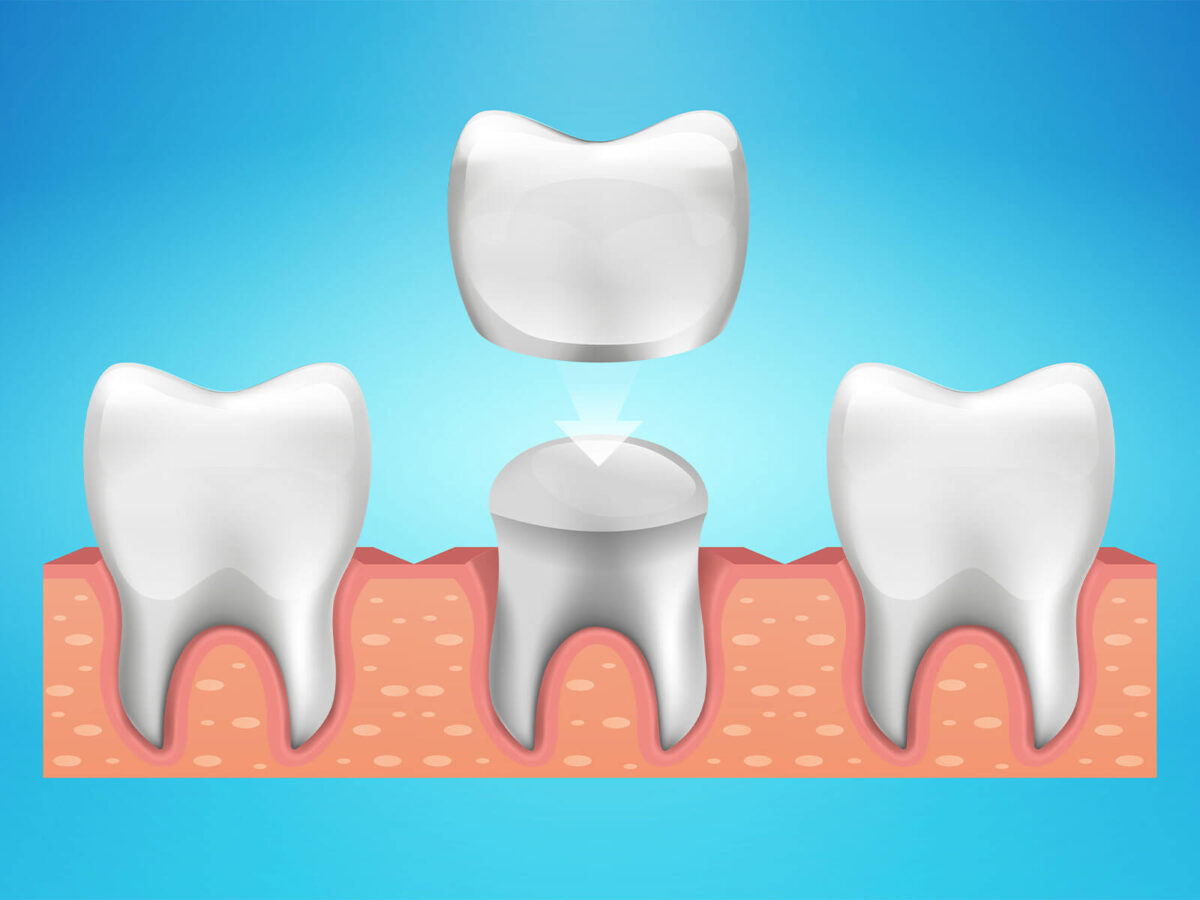
Dental Crown Procedure: Step-by-Step Guide
The dental crown procedure doesn’t always land lightly the first time people hear it. The pain might be less, but it still doesn’t feel simple. The whole permanent part just sits there in the background, and for a lot of people, that’s when the anxiety starts showing up.
That’s usually when people end up searching for step-by-step dental crown procedures. Not for explanations or details, just to get a sense of what they’re actually agreeing to and whether anything feels rushed.
Why A Crown Comes Up As A Recommendation
Before any dental crown procedure begins, there is usually a history behind it. A large filling that keeps failing. A crack that doesn’t show but causes discomfort. A tooth that had a root canal and now feels fragile. Crowns aren’t suggested randomly. They’re usually suggested when a tooth can’t reliably protect itself anymore.
At that point, the question isn’t whether the tooth needs help. It’s what kind of help gives it the best chance of lasting.
The First Appointment Is Mostly About Decisions
The beginning of the step-by-step dental crown procedure usually doesn’t start the way people expect. There’s no drilling right away, and no tools going near the tooth. It starts with evaluation instead. A lot of the focus is on how much healthy tooth remains, along with checking recent X-rays and watching how the bite fits. Small bite issues start to matter more when a crown is involved, so this step tends to move a little slower.
This part can feel conversational on the surface, almost like a discussion. But it isn’t casual. The dentist is quietly deciding whether a crown really makes sense or if a more conservative option could still work before anything permanent happens.
Numbing Is About Control, Not Toughing It Out
Once the decision is made, comfort takes over. The area gets numbed first, so you’re not sitting there expecting pain. The old idea that discomfort is just something you have to put up with doesn’t really apply anymore. A proper dental crown procedure actually depends on the patient being comfortable enough to stay relaxed and still, not tense and waiting for something to hurt.
You might notice pressure. You might feel some vibration as things move along. But pain isn’t part of the plan. If it shows up at any point, things pause, and adjustments are made so it doesn’t continue.
Shaping The Tooth Takes More Thought Than People Realise
Putting a crown on usually means the tooth has to be reshaped first. This step often sounds alarming when described quickly. In reality, it’s done with intention. Only enough structure is removed to allow the crown to fit securely.
Too little shaping leads to a bulky crown. Too much removes strength unnecessarily. This balance is one of the most important parts of the dental crown procedure steps, even though it doesn’t get much attention outside the clinic.
Capturing The Tooth’s Shape Is About Precision
Once the shaping is done, the focus shifts to measuring the tooth. Sometimes that’s done with traditional impressions, and sometimes with digital scans. The method can vary, but the purpose doesn’t. The dentist is trying to capture every detail so the crown fits naturally instead of feeling bulky or off.
This part usually feels pretty uneventful from the chair. Still, it has a lot to do with how the crown feels months or even years later. Poor measurements tend to lead to crowns that never feel quite right, even if they look fine. That’s one reason the dental crown procedure step by step includes moments that feel slower than expected.
Temporary Crowns Are Functional, Not Final
Once measurements are taken, a temporary crown is placed. This crown protects the tooth while the permanent one is being made.
Temporary crowns aren’t meant to feel perfect. They’re meant to keep the tooth safe. Eating carefully during this phase matters. Sticky foods and heavy pressure can loosen them.
This waiting phase is a quiet but essential part of the step-by-step dental crown procedure.
The Waiting Period Exists For A Reason
As you’re wearing the temporary crown, the permanent crown is taking shape in the background. Materials get adjusted, the colour is matched carefully, and small details are worked through over time. From the patient’s side, it can feel quiet, almost like nothing much is happening.
It takes time because accuracy matters more than speed here. When this stage is rushed, it usually comes back later in the form of crowns that need fixing or tweaking again.
The Second Visit Is About Verification
When the permanent crown arrives, the temporary one is removed. The tooth underneath is inspected. This is not just a formality. The dentist checks for sensitivity, irritation, or changes that may have occurred.
Only after this check does the permanent crown come into play. This step is often overlooked when people summarise the dental crown procedure, but it protects against problems later.
Trying In The Crown Is Not The End
Before cementing, the crown is tested. You bite down. You talk. You move your jaw. The dentist checks how it interacts with surrounding teeth.
If anything feels off, even slightly, it’s adjusted. That early trial phase helps stop minor discomfort from turning into something permanent.
Final Placement Is Intentional, Not Rushed
After the fit and bite feel right, the crown is cemented. Extra material is removed, and the bite is checked again to make sure nothing feels off. This is the point where everything gets locked into place.
At this stage, the crown starts doing its job as part of the tooth. Chewing pressure is restored, and protection is finally in place. This wraps up the dental crown procedure step by step, even though the tooth may still take a little time to fully adapt.
After The Crown Is Placed
You might notice a little sensitivity at first. Most of the time, it settles down once everything gets used to the crown being there. Brushing doesn’t change. Flossing doesn’t either, even if it feels a bit different around the edges for a while.
There’s nothing special you really need to do for crowns. They tend to last longer when daily cleaning stays consistent, and regular appointments don’t get skipped.
Crowns Can Handle A Lot, Just Not Everything
A crown offers protection, but it doesn’t block every possible issue. Over time, problems can still show up around the edges. Gum health still plays a role. Grinding can still take its toll over time. Keeping that in mind helps people see the dental crown procedure for what it really is. It adds protection and support, but it doesn’t replace everyday care or habits.
Conclusion
The step-by-step dental crown procedure isn’t dramatic when it’s handled properly. It moves carefully, slows down where it needs to, and takes its time for a reason. From the patient’s side, it can feel almost uneventful, but that’s usually a good sign.
Every stage exists to protect the tooth and reduce future risk. When those steps are given the time they need, crowns usually end up feeling dependable and natural, rather than something you’re constantly aware of.
Being told you need a crown can leave a lot hanging. Questions, mostly. If you want clarity on the dental crown procedure steps, a consultation is usually where things start to come together. Hearing how it applies to your tooth, in your situation, often changes how the process feels.