Blog
Dental hygiene tips for healthy teeth & gums
How To Recognize A Failed Root Canal Treatment
A root canal usually brings relief. The pain eases and the swelling goes down. Life feels normal for a while. Then, out of nowhere, something feels different again. You bite into food and feel a strange pulse. Or maybe a dull ache creeps back.
That’s when people start wondering if a root canal can fail. The short answer is yes, though it doesn’t happen often. When it does, your tooth will usually tell you.
Your Tidwell Road Dentist, TX, may mention that mild soreness is expected for a short while. But when the pain sticks around or comes back later, it can point to a failed root canal. Ignoring the signs of a failed root canal rarely helps. Getting checked early can make all the difference.
What a Root Canal Really Does
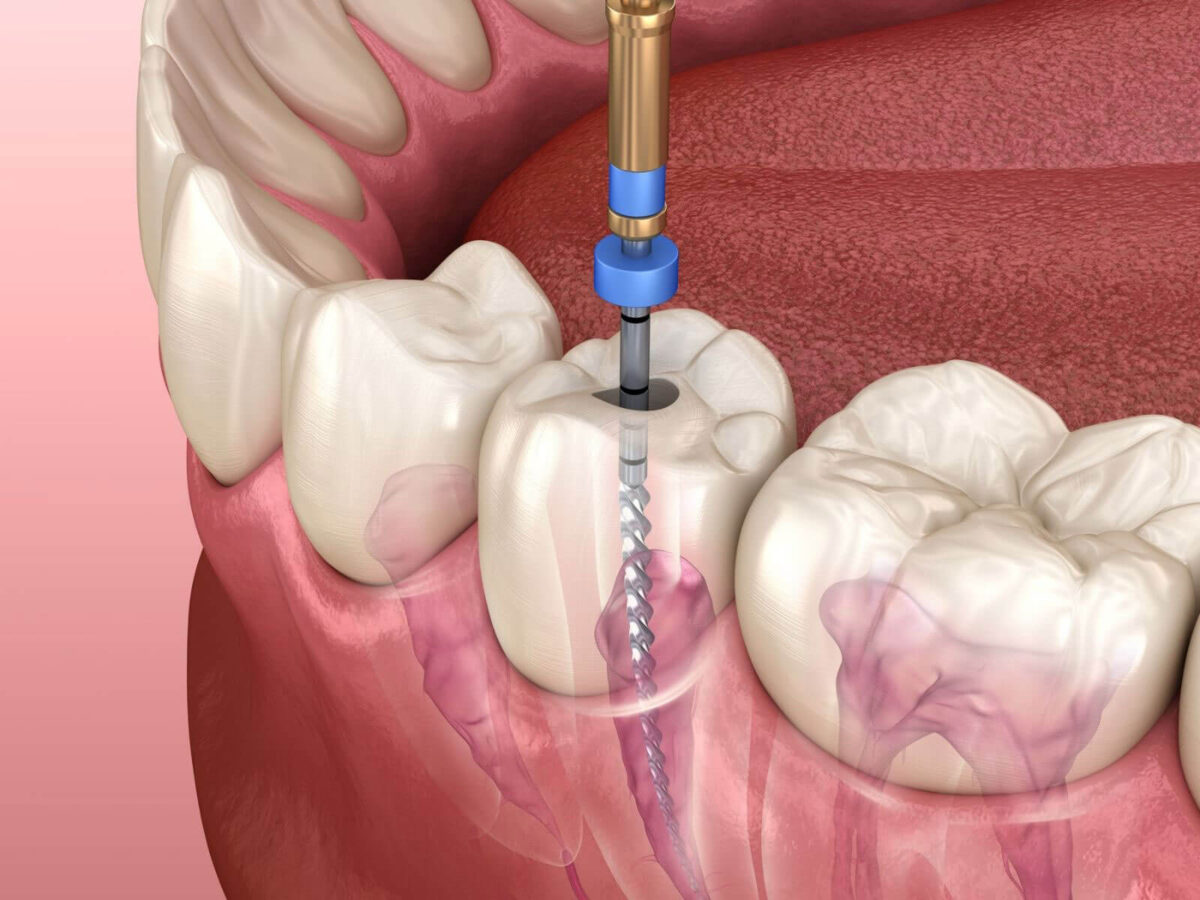
To understand failure, it helps to know what a root canal actually fixes. Go past the hard surface of the tooth and you’ll reach a soft area inside. That’s the pulp. It’s filled with nerves and living tissue that keep your tooth alive. When bacteria slip in through a deep crack or cavity, it leads to infection and pain.
During treatment, your Tidwell Road Dental Office, TX dentist removes the infected pulp. Once the inside’s clean, the dentist just closes the tooth up. That helps protect it from any new infection. It’s all about saving the tooth.
If done right, a root canal can hold up for many years, maybe even a lifetime. Still, like any dental work, healing doesn’t always go perfectly. A tiny bit of bacteria might stay hidden, or a new issue may appear later. That’s when trouble starts again.
What It Means When a Root Canal Fails
A failed root canal doesn’t always mean something was done wrong. Teeth are complex. Each one has tiny canals that twist and branch in ways even advanced imaging sometimes can’t fully show. If one of those canals stays infected, bacteria can grow again long after treatment ends.
Sometimes the tooth cracks. Or the filling on top wears down just enough for bacteria to slip through. It doesn’t take much. Even a crown that fits a little loose can undo all the work that went into saving the tooth.
A Tidwell Road Dentist TX, compares it to sealing a leaky pipe. If even the smallest gap remains, water eventually finds its way through. With root canals, bacteria work the same way; silent at first, but persistent.
The Signs Something Isn’t Right
Your body is smart. It usually sends quiet hints before the real pain starts. Had a root canal, and something feels a bit off? Don’t ignore it. That’s your cue to check in. Notice how your tooth reacts.
The most common sign is pain that just won’t quit. It’s not always sharp pain. Sometimes it’s that dull throb when you chew, or pressure that just feels off. Maybe there’s some swelling. Maybe your gums just feel a little sore around the tooth. A small bump can form on the gums near that tooth. It might leak a bit or shrink down, only to return again after some time. That bump, often called a sinus tract, usually points to infection beneath the surface.
There are subtler clues, too. Sometimes the tooth turns gray or just looks a bit dull beside the others. You might even notice a bad taste. Even chewing can start to feel off. And if you start to notice bad breath that brushing doesn’t fix, that can be another quiet sign that bacteria are active again. None of these symptoms alone confirms failure, but together they paint a clear picture that your tooth needs attention again.
Why Root Canals Sometimes Fail
A lot of people assume a failed root canal means someone messed up. Most of the time, that’s not true. More often, it’s the nature of the teeth themselves. Some canals are so fine or curved that even the best equipment can’t reach them completely. Sometimes the crown takes longer than planned. That extra time leaves the tooth uncovered and a bit more vulnerable.
Sometimes the reason is microscopic. Maybe there’s a tiny crack in the root, or a few bacteria got sealed in the first time. Even long after healing, that small pocket can reignite an infection.
A Tidwell Road Dental Office TX sees these patterns all the time. Teeth that seemed perfectly fine for years suddenly start showing signs of trouble. The key is not panic, but action.
How Dentists Find the Real Problem
When you return with symptoms, your dentist doesn’t guess. They start by listening carefully. How long has it been since your treatment? When did the pain begin? Is it constant or only when chewing? Those details matter.
Next comes the exam. Your Tidwell Road Dentist TX may tap gently on the tooth, check your bite, or test for sensitivity. But the most useful tool is an X-ray. It helps reveal what you can’t see. You may see signs like bone loss or tiny spaces inside the canal.
Sometimes your dentist uses a 3D scan to understand what’s truly happening inside the tooth. From there, they’ll know if you need root canal retreatment or another fix.
What Retreatment Really Involves
Hearing you need another root canal isn’t exactly fun. But the second time around usually goes quicker and smoother. Your dentist simply opens the tooth again and clears out the old filling. They then clean every canal once more. Newer tools help them reach even the tiniest spaces that might have been missed earlier.
Once the canals are disinfected, they’re sealed again, and a new restoration or crown is placed on top. The tooth is then monitored for healing. Most people find relief within a few days, and the tooth becomes strong again.
A Tidwell Road Dental Office TX usually checks back after a few weeks to make sure everything is settling properly. When done correctly, retreatment can completely eliminate pain and infection.
The Takeaway
A failed root canal doesn’t mean your tooth is beyond saving. It simply means something inside needs another look. You can usually tell when something’s off. The pain sticks around, and the swelling returns. Root canal retreatment symptoms don’t need to cause panic. They just need care.
Modern dentistry makes it easy to correct what went wrong the first time. When it’s finally fixed, life feels normal again. You can eat, smile, and laugh without that faint ache bothering you anymore.
Call To Action
If your treated tooth doesn’t feel right or pain keeps returning, visit a Tidwell Road Dentist TX soon. Your trusted Tidwell Road Dental Office, TX, offers expert diagnosis for signs of a failed root canal and safe, gentle care for root canal retreatment symptoms. Don’t wait until it really starts to hurt. Fix it early and enjoy a healthy life again.