Blog
Dental hygiene tips for healthy teeth & gums
Professional Teeth Whitening vs At-Home Kits
A brighter smile sounds simple. Most people want that without extra effort. That is where professional teeth whitening vs at-home usually enters the conversation. Both paths promise results, and both feel tempting. But they do not work the same way. The differences matter more than most people expect. This piece lays them out in easy language, helping the decision feel more grounded and less like guesswork.
How Professional Whitening Works In A Clinic
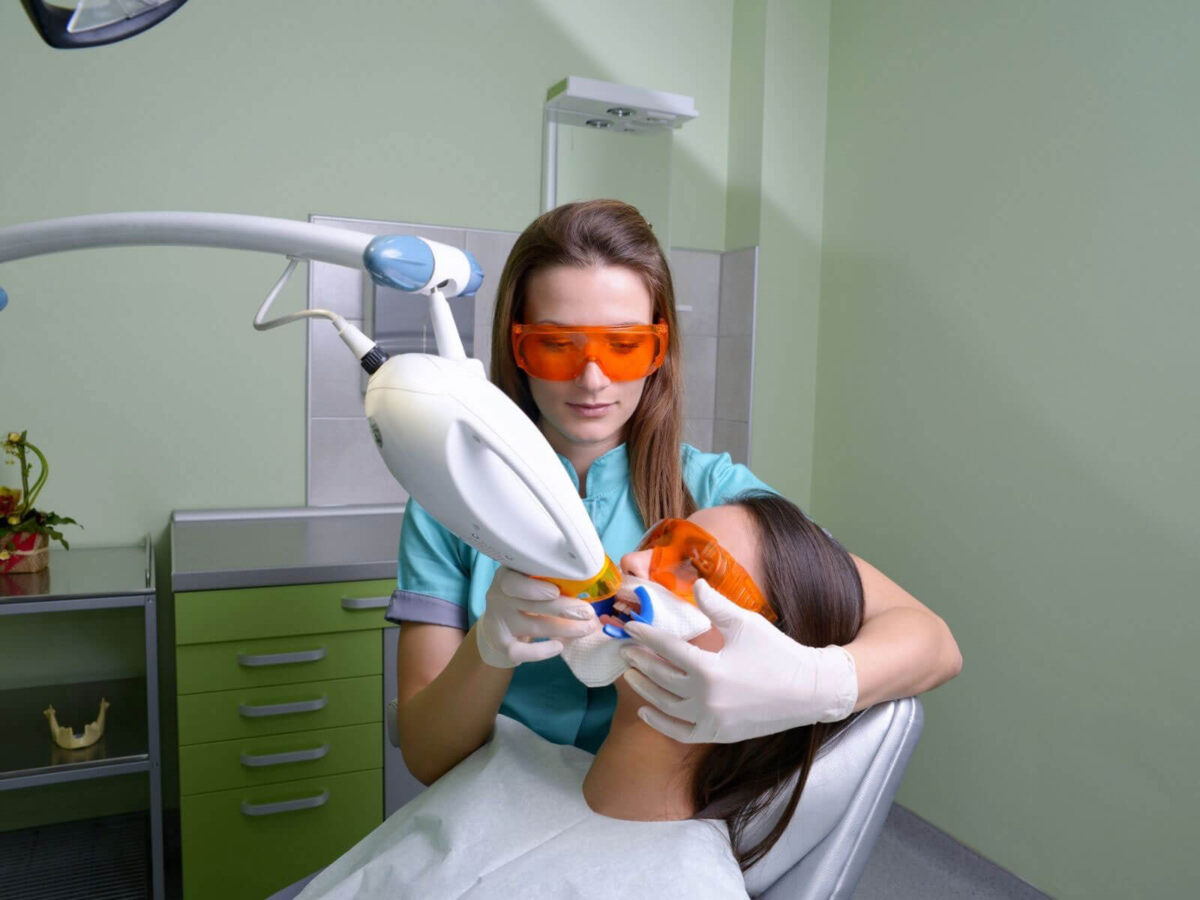
In a dental office, whitening is done by a trained team. A stronger bleaching gel is used, and the gums are protected. The product sits on teeth under the watch of a dentist. Sometimes a light or a special device helps the gel work faster, sometimes not. The point is steady control. The dentist can adjust strength and time so the process is safe and the result is more predictable.
Many people notice a clear change after one visit. The smile looks brighter and more even. The dentist can also address sensitivity on the spot, which matters because stronger gels can sting if used incorrectly. This control is one of the big reasons people ask about teeth whitening at home vs the dentist when they want a reliable result.
How At-Home Kits Usually Work
Home kits come in many forms. You see strips most often. Trays are common too. Some people use pens or even whitening toothpaste as part of the routine. Most use a milder peroxide gel that slowly lifts stains. The kits are made for daily use over a few days or weeks. They work more slowly and feel gentler than clinic treatments. That makes them easier to handle on your own.
It is weaker, so changes take longer or look lighter. They work well for light staining or for holding onto results after a professional session. Many people use them as maintenance rather than a full fix. People like these options because they cost less and can be done at home, on a schedule that fits easily into the day.
Which Is More Effective In Real Life
If the goal is fast and obvious change, professional whitening usually comes out ahead. The dentist can use a stronger gel and control how it works on the teeth. That often means a whiter smile after just one visit.
If the goal is a smaller change or touching up an earlier result, home kits work fine. They suit people who like to go slow or cannot get to a clinic easily. The trade-off is speed, and sometimes how bold the result looks. Picking professional teeth whitening vs at-home depends on how visible the change needs to be in the end.
About Safety And Tooth Sensitivity
Sensitivity is common with whitening. Cold can cause a sharp twinge. Sometimes there is a mild ache that lingers. Professional care helps here. Dentists can lower the strength or protect certain areas to reduce discomfort. They can also share quick tips or products to ease sensitivity right away.
At-home kits can still cause sensitivity. When used without guidance, people sometimes go longer or use them more often than they should. That increases irritation. Simple steps help. Stick to the timing that is recommended. Pause if pain starts to show up. If something feels wrong, ask a dentist.
Cost And Value Are Compared Simply
A clinic session costs more per visit. It is an investment up front. Results are faster and often longer lasting. For many, a single pro session is worth the cost because it saves time and delivers a clear change.
At-home kits cost less and can be used again. That makes them attractive for budget plans. They work well for milder staining or maintenance. When money is tight, kits are a useful tool. When an immediate, strong result is needed, a professional visit usually makes better sense.
Convenience And Time Trade-Offs
At-home kits fit into real life. Small chores get done while the kit does its work. There is no appointment to plan around. That freedom is a big reason teeth whitening at home vs the dentist comes up so often.
Professional whitening is more structured. You book a visit and spend time in the chair. It might be one longer session or a few shorter ones. The time is set aside, but the results usually show faster. People who want things done in one day often choose the clinic. Others prefer spreading it out at home.
Longevity And Maintenance Of Results
How long whiteness lasts depends on habits. Drinking coffee, tea, red wine, or smoking brings stains back faster. A professional session often gives a longer window of whiter teeth before touch-ups are needed. At-home kits are handy to maintain the look and to refresh colour over time.
Simple upkeep, like cutting down on staining drinks, rinsing after meals, and cleaning teeth well, helps both options keep a good result longer. Maintenance is the quiet, important part, no matter which path is chosen.
When A Dentist Is Needed First
Before whitening starts, a quick dental check matters. Cavities and gum problems should be fixed first. Whitening over weak tooth work or decay can make sensitivity worse or mask pain. A dentist can also guide the choice between options and explain whether professional vs at-home teeth whitening is safer right now.
That short visit protects the effort and avoids unexpected issues. It also helps pick a shade that looks natural, not forced.
Who Should Pick Professional Whitening
Professional whitening often fits people who want a big change quickly. It is a good pick for stains from coffee, tea, or age. It is also wise when restorations like crowns are present, and a controlled match is needed.
If a person needs an immediate event-ready smile, pro whitening usually fits best. It is also a safer route for those with a history of sensitivity because the dental team can adapt the method in the moment.
Who Might Prefer At-Home Kits
At-home options fit people who want gradual change or touch-ups. They are budget-friendly and easy to buy. They are also good when travel or time makes clinic visits hard.
People with mild staining or who already keep up with dental cleanings often get good results from a home kit. They are not a poor choice. They are just different in pace and control.
Mistakes That Are Easy To Make
Leaving a product on longer than advised can raise sensitivity. Chasing every shade at once can leave results uneven. Whitening over dental work without thinking it through can cause colour differences. These are simple mistakes. Most of them are avoided by doing a short check or actually following the directions.
Final Thought
The decision around professional teeth whitening vs at-home kits depends on speed and comfort. Both options have their place. Professional work gives fast, greater change with a team watching. At-home kits give flexibility, lower cost, and gradual results.
A quick call to a dentist clears a lot of doubt. Ask what they recommend for your teeth and for your budget. A short check makes the choice safer and the result more satisfying. When done with care, either option brightens the smile and keeps things simple.