Blog
Dental hygiene tips for healthy teeth & gums
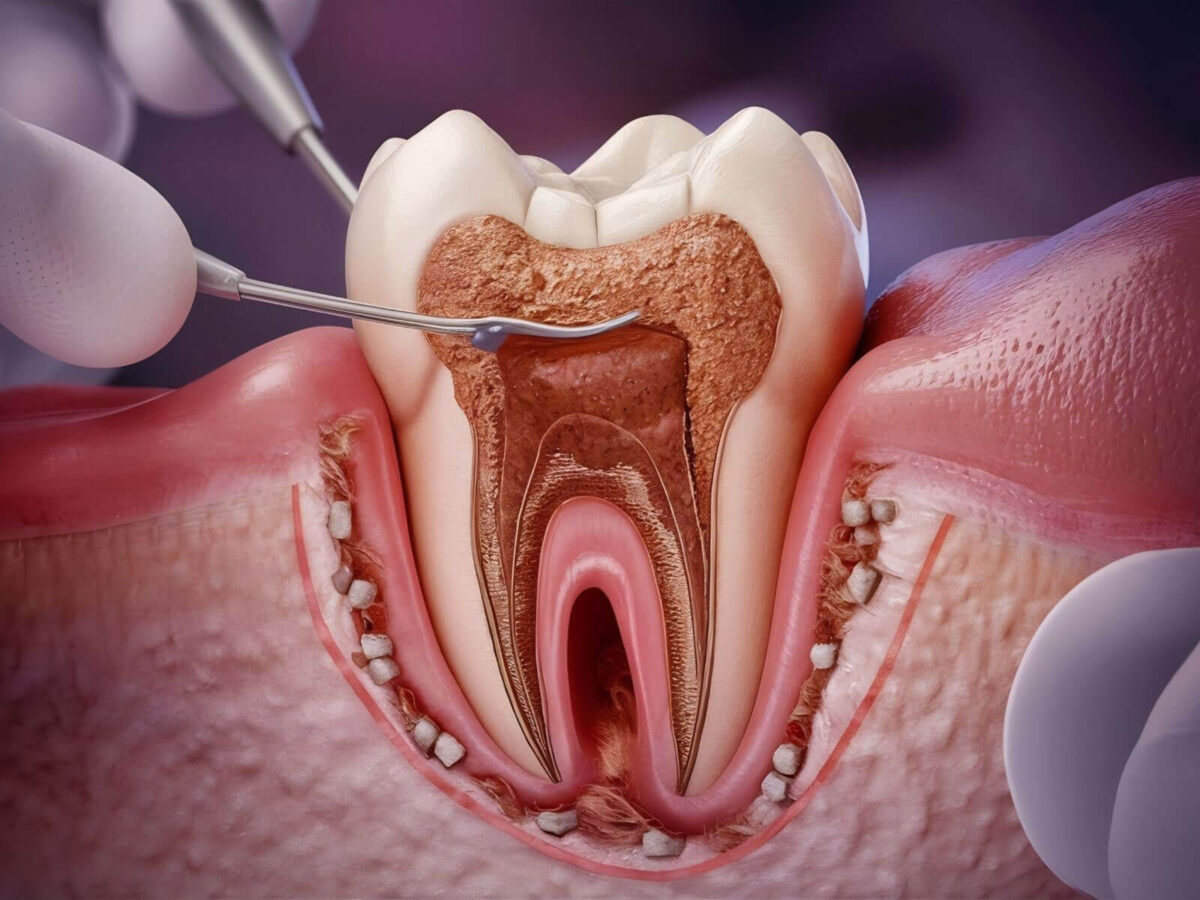
5 Stages of Tooth Decay: From White Spots to Abscess
Tooth decay usually starts quietly. No pain, no obvious hole, and no sensitivity. A person keeps brushing and eating normally without realizing anything is changing underneath the surface. Then months later, sharp pain suddenly appears during coffee or chewing.
That gradual buildup is what makes the stages of tooth decay important to understand. Cavities do not jump straight into severe infection overnight. The tooth changes little by little. Enamel weakens first. Then bacteria move deeper.
The CDC reports that more than 90% of adults aged 20 to 64 have had cavities in permanent teeth. A lot of them probably started during the early invisible stages before symptoms appeared. The earlier the damage gets noticed, the smaller the treatment usually is.
Stage 1: White Spots Begin Forming
Faint white enamel patches are often part of the early stages of cavity development. They usually appear near the gums or between teeth where plaque remains longer. The enamel starts weakening as minerals slowly disappear. At this stage, there is still no actual cavity opening.
A lot of people never notice these early spots because they do not hurt or feel rough. They sometimes look slightly dull compared to the surrounding enamel. Orthodontic patients get them fairly often around brackets after brushing becomes inconsistent for a while.
This stage can sometimes improve with fluoride, cleaner brushing habits, and less sugar exposure during the day. That reversal part surprises people.
Stage 2: Enamel Starts Weakening
The cavity starts forming after the enamel weakens further. The damage has now moved beyond simple mineral loss. This part of the tooth decay stages usually stays painless too, especially if the cavity remains small and shallow.
Some people notice slight sensitivity to cold drinks. Others feel absolutely nothing. Sugary foods may occasionally trigger discomfort for a second or two.
The National Institute of Dental and Craniofacial Research explains that enamel does not repair itself once physical breakdown happens. Once a cavity forms through the surface, treatment is normally needed. The filling helps protect the tooth before the decay worsens further.
Stage 3: Cavity Hits Dentin
The damage usually starts moving faster here. Dentin sits below the enamel and does not resist bacteria as well. Cavities usually grow more quickly once that layer becomes involved.
This middle part of the stages cavity process tends to bring clearer symptoms. Cold drinks sting more. Sweet foods linger painfully. Chewing pressure may feel strange on one side. Food also gets trapped inside the cavity more easily now.
Some teeth develop visible brown or black areas during this stage. Others still look fairly normal from the outside while decay spreads internally underneath. Dentists sometimes see surprisingly large cavities on X-rays even when the tooth barely looks damaged from above. That happens pretty often, actually.
Stage 4: The Pulp Gets Infected
Deep inside the tooth is the pulp area. That part contains the nerves and blood vessels. Once decay reaches this area, pain usually becomes difficult to ignore. This deeper stage of the stages of tooth decay often causes throbbing pain that comes and goes randomly.
Some people wake up during the night because of it. Heat sensitivity becomes worse, too. The damage may now require root canal treatment rather than a regular filling.
The American Association of Endodontists estimates that over 15 million root canal procedures happen yearly in the U.S.
Deep, untreated decay remains one of the biggest reasons. Pressure inside the tooth builds gradually once infection spreads around the pulp tissue. Painkillers sometimes stop helping much during this stage.
Stage 5: Abscess Formation
This is the most severe stage. The infection sometimes spreads beyond the tooth root into the surrounding tissue. That is when an abscess can form, and swelling may suddenly appear. Some people notice a bad taste draining into the mouth. Fever can happen too.
This final stage of the stages of tooth decay becomes more serious because infection is no longer limited to the tooth itself. Eating feels difficult sometimes. Talking can hurt. Tender lymph nodes under the jaw may appear at this stage. Some teeth also begin feeling slightly loose.
This stage often needs emergency dental treatment. Dentists may drain the infection and prescribe antibiotics first. Root canal treatment or tooth removal may follow if the damage is severe. This stage is miserable, honestly.
Why Do Cavities Sometimes Progress Faster
Not all decay moves at the same speed. Dry mouth changes things quickly because saliva normally helps neutralize acid around teeth. Frequent snacking matters too. Sipping soda slowly throughout the day tends to keep acid levels high for longer periods.
Nighttime grinding can weaken enamel further. Some medications also reduce saliva flow enough to raise cavity risk. Dentists see this often in older adults taking blood pressure medications, antidepressants, or allergy medicines regularly.
The beginning stages of tooth decay may stay stable for months in one person and worsen rapidly in another.
What Does Early Tooth Decay Usually Feel Like
Sometimes nothing at all. That is part of why the early stages of tooth decay get missed so often during daily life. Small cavities rarely create dramatic symptoms early on.
A person may only notice:
- Slight sensitivity to cold drinks
- Roughness while flossing
- Food trapping between teeth
- Tiny dark spots
- White chalky enamel patches
Then, eventually, the symptoms become more obvious. Sharp pain while chewing tends to mean the cavity has already moved deeper than the enamel stage.
How Do Dentists Detect Hidden Decay
X-rays matter more than many people realize. A lot of cavities start between teeth where toothbrushes cannot reach well, and mirrors cannot easily show damage. Dentists also use explorers, visual exams, and light reflection to look for weakened enamel. Some offices use digital cavity scanners now, too.
Questions about the tooth decay stages usually come up after patients hear they have cavities they never noticed themselves. That disconnect happens constantly in dentistry.
Can Tooth Decay Be Stopped Naturally
Only very early decay sometimes improves without drilling. The beginning stages of tooth decay involving demineralization may stabilize if fluoride exposure improves and plaque is controlled better. Once physical holes develop, the damaged tooth structure does not grow back naturally. That part is important. Home remedies cannot rebuild large cavities once dentin becomes involved.
FAQ
What happens during the beginning stages of tooth decay?
The enamel may start developing chalky white areas first.
Do all stages of cavity problems move quickly?
No. Some cavities progress slowly while others spread faster.
Can early tooth decay still be reversed?
It can in some situations. Early enamel weakening may improve with fluoride.
What stage causes sharp tooth pain?
Severe pain often starts after the inner tooth becomes infected.
Can tooth decay infections spread further?
Yes. Untreated abscesses can affect nearby tissue, too.
Conclusion
The stages of tooth decay usually start quietly. That is part of the problem. A person keeps brushing normally and eating normally without realizing anything is changing underneath the enamel, yet.
Then small white spots appear. Food starts getting caught between teeth more often. Cold drinks suddenly feel strange one day. The damage keeps moving little by little after that. Decay often speeds up after bacteria move deeper inside the tooth. What once looked like a small filling may turn into an infection and severe pain.
Regular dental visits matter because the earlier tooth decay stages are usually much easier to treat. Waiting too long often makes treatment larger and more expensive. If a tooth has started feeling sensitive, rough, swollen, or painful lately? It is usually better to get it checked earlier. Hoping it settles down on its own can delay treatment.