Blog
Dental hygiene tips for healthy teeth & gums
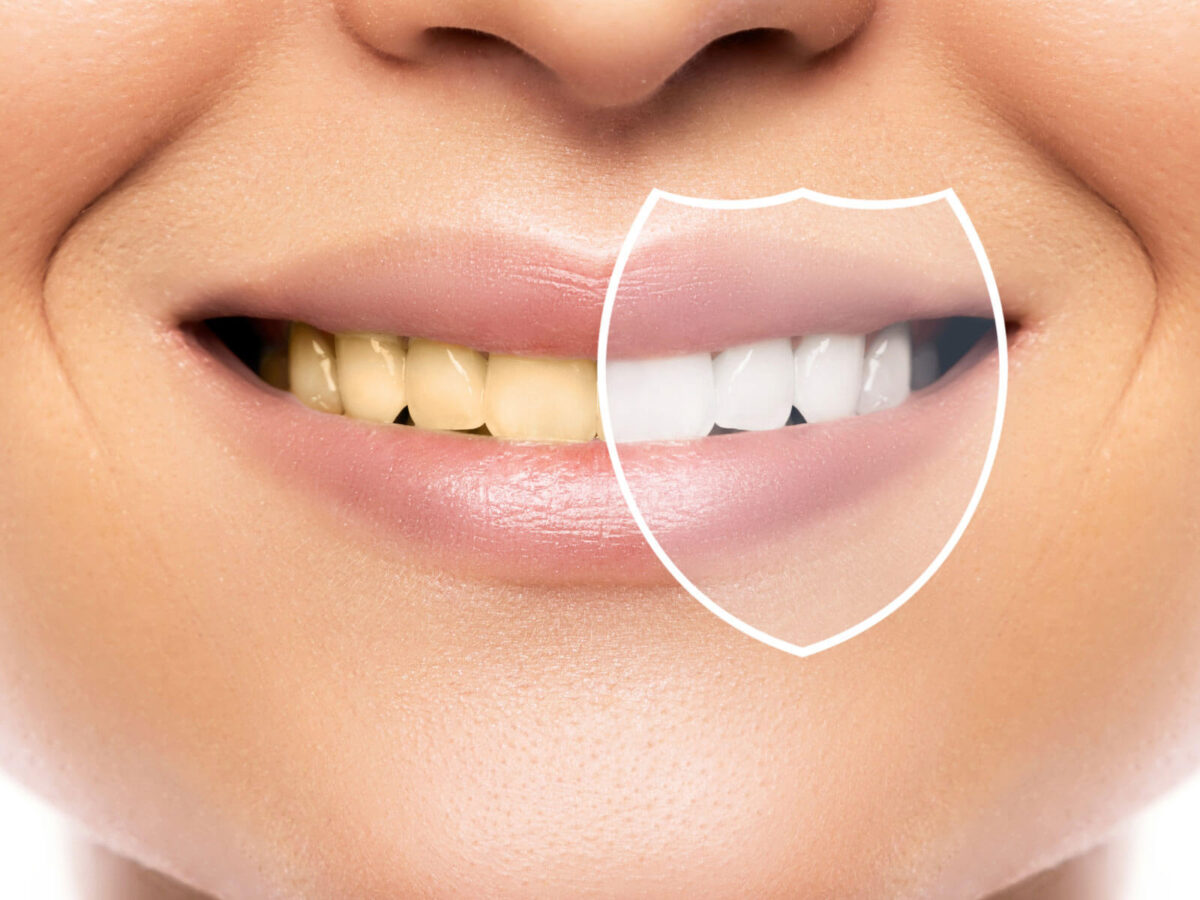
How to Get Rid of Yellow Teeth?
There’s a specific moment when you notice it. Not in the bathroom mirror you see every day. But in a photo. Or under bright white lights somewhere. And suddenly you’re thinking, when did my teeth start looking this yellow? The question that follows is almost automatic: how to get rid of yellow teeth?
It’s often just a normal change, not a mistake on your part. Teeth shifting toward yellow is very common. But understanding why it’s happening changes everything.
What Actually Makes Teeth Turn Yellow?
Teeth are not naturally paper-white. That bright, uniform shade we see in advertisements isn’t a biological baseline. It’s a cosmetic enhancement.
Underneath enamel sits dentin. Dentin is naturally yellow. When enamel is thick and healthy, it masks that color. As enamel wears slightly over time, dentin shows through more.
A lot of the yellowing just comes from everyday stuff. Coffee. Wine. Smoking. Even those dark, saucy foods. You don’t notice it happening, but the color slowly sticks around and changes how your teeth look.
The American Dental Association explains that tooth discoloration is one of the most common cosmetic concerns among adults. Research published through PubMed suggests nearly half of adults report dissatisfaction with their tooth color.
So if you’re wondering how to whiten yellow teeth, you’re in very normal company.
Why Doesn’t Brushing Harder Fix It?
Here’s where things can get a little confusing. Brushing does remove plaque and surface stains, and that can brighten your smile to some extent. Still, it only works on what’s on top and cannot shift the deeper color of the enamel.
Whitening works differently. It uses peroxide-based compounds that break down stain molecules through oxidation. It’s not scrubbing. It’s chemistry.
Clinical reviews available through the National Library of Medicine confirm that peroxide-based whitening systems can effectively lighten tooth shade when used properly.
So if you’ve been brushing harder, hoping to get rid of yellow teeth, it’s not about effort. It’s about the mechanism.
How to Get Rid of Yellow Teeth in a Way That Actually Works
The first step isn’t whitening. It’s cleaning. Professional dental cleaning removes tartar buildup and surface stains that brushing can’t. Sometimes that alone creates a visible difference.
After that step, you can decide if whitening makes sense. The take-home versions are gentler and work gradually, while professional treatments rely on stronger products and are carefully overseen.
The NHS outlines that teeth whitening should be carried out by a dental professional for safety and proper assessment. If you’re thinking about how to whiten yellow teeth, speed isn’t the only factor. How sensitive your teeth are, along with any dental work, affects results. The same approach won’t suit everyone.
Why Teeth Change Colour Over The Years
Age quietly influences tooth color because enamel naturally thins over time. As that outer layer becomes less dense, the dentin beneath it shows through more. That doesn’t indicate damage, but it does help explain why whitening results differ from person to person.
Age affects how teeth react. Sometimes the change feels dramatic. Other times, it’s more of a subtle shift. Neither outcome is unusual.
Why Does It Feel Sharp For A Few People?
Whitening works because, for a brief period, the outer layer lets the solution move inward. That’s how deeper stains get targeted, not just the ones on top.
Right after whitening, teeth can feel more reactive. It’s temporary for most people. Research in PubMed Central has shown that this sensitivity usually eases within a few days. The keyword there is transient.
Problems usually arise when products are overused. More frequent applications don’t equal faster results. They equal irritated enamel. Teeth that already have gum recession or untreated decay tend to react more. Sensitivity hits harder in those cases. That’s one reason it’s smarter to check in with a dentist before going all in and trying to quickly get rid of yellow teeth.
What About DIY Remedies?
Most of the trouble starts with good intentions. Someone tries baking soda. It seems harmless enough. But then the brushing gets harder. Charcoal gets added in. And slowly, it’s more than just surface stains being affected. You’re wearing enamel down. Lemon juice and other acidic hacks make it worse. They soften the surface first, then brushing takes more away. As enamel thins out, what’s underneath becomes easier to see. That layer has a natural yellow tone. So ironically, trying too hard to whiten can end up making teeth look even more yellow.
The ADA’s consumer site MouthHealthy warns that certain natural methods may damage enamel if misused. Trying to get rid of yellow teeth shouldn’t create a new problem.
When Is Whitening Not the Right Solution?
Not all stains are on the outside. Some start deeper inside the tooth. Old trauma, specific medications, and even natural internal changes can shift the color. Whitening can sometimes lighten it a bit. But it doesn’t always erase it fully.
According to the American Dental Association, whitening treatments don’t alter the shade of crowns, veneers, or tooth-colored fillings. They only work on natural tooth structure. If there are existing restorations, whitening can leave some areas lighter than others. Natural teeth respond. Crowns and fillings don’t. That’s when cosmetic bonding or veneers might be considered. Not as a correction for failure. Just as a way to create a more even shade.
Why Do Results Differ Between People?
You could copy someone else’s whitening routine step for step and still not get the same outcome. That’s because teeth react differently.
Enamel isn’t the same thickness for everyone. Stains aren’t all the same either. Lifestyle matters. There’s even a review in the Journal of the American Dental Association that points out something simple: results depend a lot on the type of stain and how your teeth personally respond to treatment.
So comparisons don’t really help. That’s why there isn’t a single timeline or guarantee when trying to figure out how to whiten yellow teeth.
Will the results stick around?
Nobody really mentions this part, but the brightness doesn’t stay exactly the same forever. You still drink coffee and have tea. Real life doesn’t pause after treatment. So gradually, color can creep back in. How fast that happens depends on your routine. Cleanings help maintain the shade. Being mindful of dark beverages helps, too. And yes, touch-ups are common. It’s not a failure. It’s just part of how whitening works.
FAQs
Is yellowing always bad hygiene?
No. Not really. Teeth change over time. Enamel gets thinner. Not everyone’s teeth are naturally bright white. Some lean more to cream or yellow, and that’s just how they are. Even with good brushing habits, the color can stay the same.
How to manage it safely?
Start with a cleaning. See what that alone fixes. After that, talk things through before trying anything strong. Guessing usually leads to sensitivity.
Do those “whitening” labels on toothpaste even do much?
A little. They can scrub off surface stains. But they won’t magically change the natural color of your teeth.
Can whitening ruin enamel?
If it’s overdone, yes, it can cause problems. Used properly and not constantly, it’s generally considered safe. The issue is usually overuse.
Conclusion
If you’re searching for how to get rid of yellow teeth, pause before jumping into random products. The real answer depends on the cause. Surface stains need a different approach than enamel thinning or deep internal discoloration. Guessing often leads to disappointment.
Start small. Go in for a cleaning and see how your smile looks after that. There’s no need to go extreme from day one. Just ease into it. Ask about how to whiten yellow teeth without making your teeth feel worse than they already do. Book that consultation. A personalized plan makes all the difference when you’re ready to truly get rid of yellow teeth and feel good about your smile again.