Blog
Dental hygiene tips for healthy teeth & gums
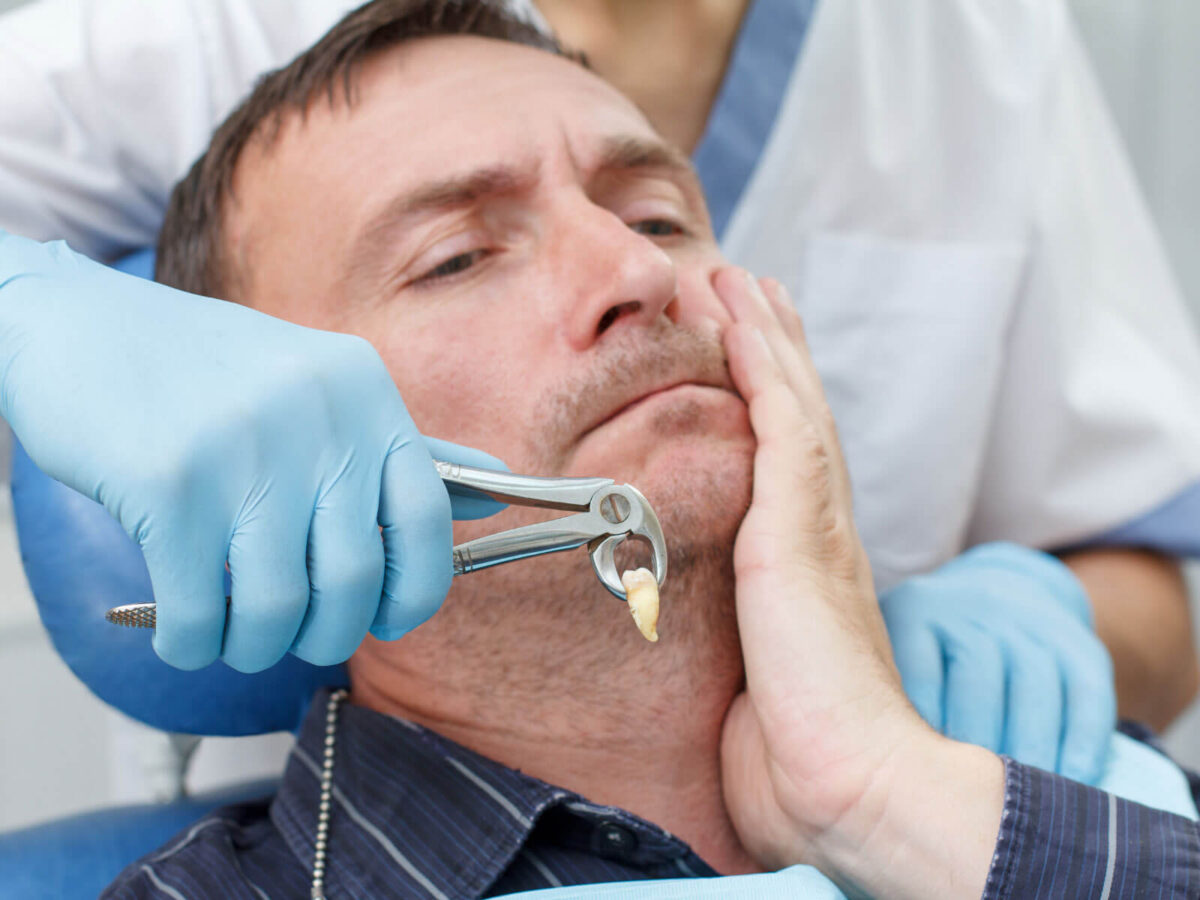
Impacted vs Erupted Wisdom Teeth: Key Differences
Wisdom teeth rarely follow a predictable path. Some come in quietly. Others bring discomfort, pressure, or confusion. This is where the idea of impacted vs erupted wisdom tooth becomes useful. An erupted wisdom tooth grows through the gum and becomes visible. It may sit at the back of the mouth and function like a regular molar.
An impacted wisdom tooth behaves differently. It does not fully come through. It may stay trapped under the gum or grow sideways. Sometimes it pushes against the nearby tooth without ever fully coming out.
At first, the difference sounds simple. It actually influences how the tooth feels, how it functions, and if treatment ends up being necessary.
The American Association of Oral and Maxillofacial Surgeons says nearly 85 per cent of people run into wisdom tooth problems at some point. So it’s not unusual. In many of these cases, the teeth are either monitored or eventually removed.
What An Erupted Wisdom Tooth Looks Like In Real Life
An erupted wisdom tooth is visible. You can usually see it sitting behind the second molar. In some cases, it lines up well and becomes part of the natural bite.
When enough space exists, the tooth may function normally. Chewing feels natural. There is no pressure. Many people keep these teeth without problems for years.
Still, it is not always perfect. The position at the back of the mouth makes cleaning difficult. Toothbrushes do not always reach properly. Flossing becomes tricky.
As time goes on, plaque can collect in that area. This may cause decay or irritate the gums. Even a fully visible tooth shouldn’t be left unattended.
Why Some Wisdom Teeth Become Impacted Instead
Space is usually the main reason. By the time wisdom teeth begin to develop, the jaw is already occupied. There simply is not enough room left. The tooth tries to emerge but cannot find a clear path. It may tilt forward. It may remain stuck beneath the gum.
This is how impacted vs normal wisdom teeth differ in practice. A normal tooth follows a vertical path. An impacted tooth struggles, changes direction, or stops moving altogether.
There’s a genetic factor involved as well. Some people naturally have smaller jaws. Others develop wisdom teeth at angles that make eruption difficult. Each case looks slightly different. That’s the reason imaging is used, to check what’s going on beneath the surface.
How Impacted Wisdom Teeth Usually Feel Over Time
Impacted teeth do not always hurt immediately. In many cases, they remain silent at first. Then small changes begin. A feeling of pressure near the back of the jaw. Slight swelling in the gums. Discomfort while chewing.
They don’t always stay. They come, then fade, which makes them easy to brush off. Over time, though, they start becoming more obvious. Food can also become trapped around partially erupted teeth. This creates an environment where bacteria grow easily. Infection may follow.
These experiences highlight the difference between impacted vs erupted wisdom tooth conditions. One remains manageable. The other often becomes unpredictable.
What Problems Erupted Wisdom Teeth Can Still Cause
A lot of people think that once a tooth has come through, it’s fine. No real concern. That’s not always how it works, especially with an erupted wisdom tooth. They sit far back in the mouth, so cleaning them properly isn’t always easy. You think you’ve brushed properly, but small areas still get missed. Over time, that’s enough for plaque to build up.
The gums around it can start feeling a little off too. Not always painful, just slightly sensitive. Sometimes brushing there doesn’t feel very comfortable, so it gets skipped. Food can also get stuck more often than expected. At first, it’s easy to miss. Then you start noticing it more. If it stays, it can cause irritation or even bad breath.
Just because an erupted wisdom tooth feels okay doesn’t mean it doesn’t need care.
Why Impacted Wisdom Teeth Often Need More Attention
When there’s no discomfort, impacted wisdom teeth can go unnoticed for quite some time. Still, their position makes proper cleaning difficult. A few areas don’t get cleaned properly, and bacteria can slowly collect there.
In certain cases, the tooth may press against the one next to it. This pressure develops slowly and can affect the neighbouring tooth without obvious signs early on. Cysts can also form in rare situations. They often don’t show up early, yet they can impact the surrounding bone if ignored.
That’s why dentists usually keep an eye on impacted teeth instead of ignoring them. If changes appear, removal may be recommended. Knowing about impacted vs normal wisdom teeth helps define why some teeth need closer attention than others.
How Dentists Identify The Difference Clearly
In most situations, dentists start with a routine check. If the tooth is visible, it’s much easier to assess. They can see how it’s coming in and whether it’s affecting the teeth around it.
Things get less straightforward when the tooth is still under the gums. You can’t really judge its position just by looking. So this is where X-rays are helpful. They show where the tooth is sitting and how it’s coming along beneath the gums.
They usually use panoramic X-rays for this. It shows the full jaw in one image, which helps a lot in knowing the situation better. You’re not just guessing based on what’s visible. It becomes clearer where the tooth is sitting and if it’s close to anything that could be affected.
Once they have that information, dentists decide what makes sense. Some teeth are left alone and monitored. Others may need to be removed, depending on the risk involved.
Why Treatment Decisions Are Not Always Immediate
Not all wisdom teeth are removed. It doesn’t always work like that. If a tooth has come through and looks fine, dentists usually don’t interfere. They just keep an eye on it during visits. If it stays clean and stable, it can stay as it is.
Even impacted ones are sometimes just watched. No symptoms means no urgency. So they wait and monitor instead of jumping into treatment. But when pain or swelling starts, things shift quickly.
Infection can follow. That’s usually the point where removal is suggested. It doesn’t come down to one fixed answer for all cases. Some teeth stay, and some don’t. It really comes down to how the tooth is sitting and what it might lead to later.
FAQs
Impacted and erupted wisdom teeth – what’s the difference here?
An impacted tooth stays under the gums or only partly comes out. Sometimes it grows sideways. An erupted one is visible and has come through normally.
Are impacted and normal wisdom teeth always treated differently?
Not really. It depends on the case. Dentists don’t treat them all the same way. They look at position, symptoms, and whether anything nearby is being affected.
Can an erupted wisdom tooth still cause problems?
It can, actually. Even when it’s out, keeping it clean can be tricky. That’s usually where decay or irritation begins.
Do all impacted wisdom teeth need removal?
No. Some are left alone and watched. It’s often taken out when pain starts, or if there’s swelling or infection.
Conclusion
Wisdom teeth can behave in different ways. Some settle into place quietly. Others create pressure, discomfort, or long-term concerns.
Understanding impacted vs erupted wisdom teeth helps patients recognise these differences early. It also makes dental decisions feel less uncertain.
Not sure if they’re impacted or erupted? It’s not always obvious on your own. A dental checkup helps. The dentist can examine things properly and explain the situation in simple terms. From there, they can guide you on whether your impacted vs normal wisdom teeth need to be watched for now or treated.