Blog
Dental hygiene tips for healthy teeth & gums
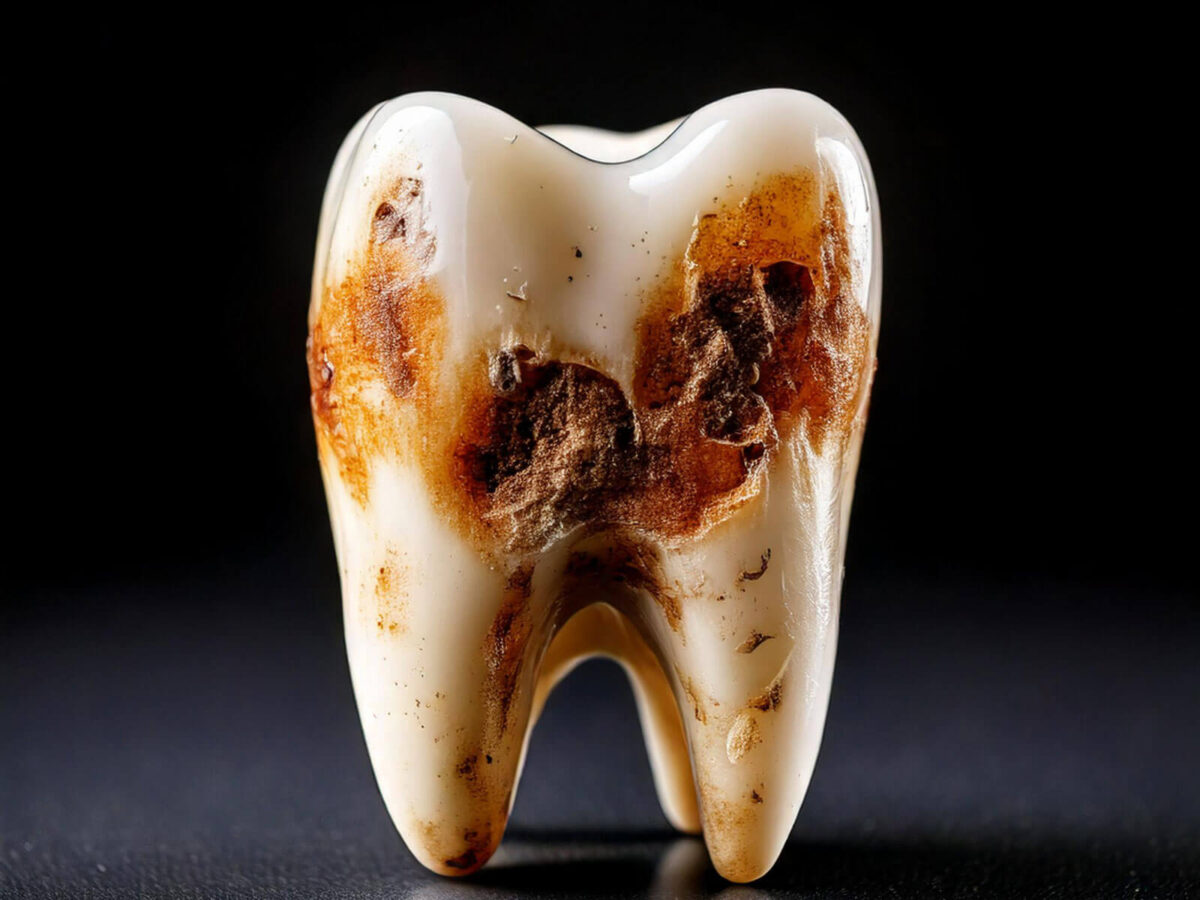
Early Signs of Tooth Infection You Shouldn’t Ignore
People often assume infection will be obvious from the start, usually with swelling or pain strong enough to demand attention. In reality, early signs of an infected tooth tend to show up more quietly.
In the beginning, it may only react to pressure or temperature in a way that feels unusual but manageable. You carry on as usual. It fades into the background for a while. Later, you notice it again. The discomfort hasn’t intensified; it just remains. Many early signs of an infected tooth are easy to brush off because they don’t feel urgent. You tell yourself it will pass.
According to the American Association of Endodontists, infection begins when bacteria reach the pulp inside the tooth. This commonly happens through untreated decay or a small crack that gives bacteria a pathway inward.
That process doesn’t happen overnight. It develops slowly. The bacteria settle in. The inflammation builds. At first, the signs of infection from a tooth may not seem strong enough to demand attention.
Lingering Sensitivity That Doesn’t Feel Normal
Sensitivity alone doesn’t mean infection. Many people have brief reactions to cold drinks or sweet foods. What matters is duration.
If you sip something cold and the discomfort lingers for thirty seconds or more, that’s different. If heat causes pain instead of simple irritation, that’s different, too.
Sometimes the feeling isn’t on the surface at all. That deeper kind of discomfort can be one of the early signs of an infected tooth. It may not feel sharp. It might feel heavy or pressurized, almost like the tooth is “aware” of itself.
At this stage, the pulp inside the tooth may be inflamed. Swelling doesn’t always mean permanent damage. When the source of irritation stays inside the tooth, improvement becomes harder to see. The tissue just doesn’t return to normal on its own.
Pain When You Bite Down
Chewing can be when you first notice something isn’t quite right. The tooth might feel normal until you put pressure on it. Then there’s a dull ache, focused on one tooth. Occasionally, it even feels a bit higher than the rest, almost like it meets the bite too soon.
Pressure tends to bring out that discomfort. There may already be irritation near the root, and biting down is what draws your attention to it. The ache doesn’t need to be strong to stand out. Repetition is often the bigger clue.
Research published through the National Institutes of Health explains that apical inflammation commonly presents as tenderness to chewing or percussion. It doesn’t always present as extreme pain in the beginning. Sometimes it’s just discomfort that keeps returning. That repetition matters more than intensity.
Subtle Gum Changes That Seem Harmless
A small swelling can show up on the gum and not seem like much. It may not hurt, and sometimes it shrinks after a few days. With nothing major happening, it slips out of your mind. Before you realize it, weeks have gone by.
In some situations, that bump forms because something deeper is creating pressure. The body may open a small path to release it. When fluid drains, symptoms often settle down, at least for a while. That improvement can give the impression that everything is resolving naturally.
Even so, these may be signs of infection from a tooth. The reduction in pain doesn’t necessarily mean healing has happened. It often just means the pressure has shifted, while the infection continues below the surface.
Persistent Bad Taste or Unexplained Breath Changes
Pain doesn’t always show up first. What you might notice instead is a taste that feels unusual and keeps returning. You clean your teeth and expect it to fade, but it doesn’t completely. Sometimes breath changes too, without an obvious reason.
When an infection is present inside the tooth, the effects aren’t always limited to pain. Sometimes there’s a taste that feels off or breath that seems different. It may not be strong, but it tends to stick around. A single episode might not mean much. But if these changes happen alongside other signs of an infected tooth, they deserve more attention.
The mouth tends to reflect what’s happening internally. Infection doesn’t always begin with swelling or sharp pain. Sometimes it alters smaller things first. Over time, those small changes can form a clearer pattern.
Swelling, Fever, and Advanced Warning Signs
Visible swelling along the face often means the infection has advanced. The skin can feel warm or stretched, and puffiness becomes hard to miss. Some people notice fever or swollen lymph nodes too. The Centres for Disease Control and Prevention notes that untreated dental infections may spread beyond the tooth. And, in uncommon but serious situations, involve other areas of the body.
Difficulty breathing because of swelling shouldn’t be ignored. Still, infections are usually handled long before they become that severe. The goal is always to intervene before visible facial swelling ever occurs.
Why Symptoms Come and Go
One reason people delay care is inconsistency. The pain may intensify for two days and then fade. The gum bump might disappear. The tooth might feel fine for weeks. That pattern creates a false sense of recovery.
What often happens is temporary pressure relief. If drainage occurs or inflammation decreases slightly, discomfort subsides. But the bacterial source remains inside the tooth.
Antibiotics can ease swelling and discomfort for a time. The relief, however, doesn’t always last if the infected pulp hasn’t been dealt with. To truly resolve the issue, the source inside the tooth needs attention, often through root canal treatment or removal.
Waiting can allow the bone around the root tip to deteriorate gradually.
How Dentists Confirm Infection
If someone describes signs of an infected tooth, the dentist won’t stop at the explanation. There’s usually a bit more checking involved. A closer look often follows. X-rays can show changes that are difficult to see. A gentle tap or a temperature check may bring out a reaction that helps narrow things down. The source of tooth pain isn’t always obvious. What feels sore may not be the tooth actually causing the problem. Catching the issue sooner tends to mean less involved treatment.
FAQs
What are the first things people notice?
Often, it’s sensitivity that sticks around. Other signs include discomfort while eating or a gum bump that appears more than once.
Do symptoms ever disappear on their own?
They might fade for a bit. That doesn’t always mean the problem is gone.
Does sensitivity always mean infection?
Not necessarily. Teeth can be sensitive for everyday reasons. It’s the deeper, persistent pain that raises more concern.
When is it better not to wait?
When discomfort doesn’t settle or swelling starts, it makes sense to get it examined.
Can medication alone fix it?
Medicine can ease the symptoms. It doesn’t necessarily fix what’s causing them.
Conclusion
The signs of an infected tooth don’t usually feel urgent at first. A tooth reacts to cold and lingers longer than expected. Biting down feels different. Swelling along the gum may not stay long enough to feel serious.
If the signs of an infected tooth seem small, most people don’t rush. They wait and hope it settles. That delay feels reasonable at first. The challenge is that infections rarely resolve without treatment. They can remain active, even when symptoms seem calm for a while.
If something feels different and continues beyond a few days, trust that instinct. Early evaluation almost always leads to simpler treatment and less disruption. Teeth don’t complain without a reason. Listening early can spare you from far bigger problems later.