Blog
Dental hygiene tips for healthy teeth & gums
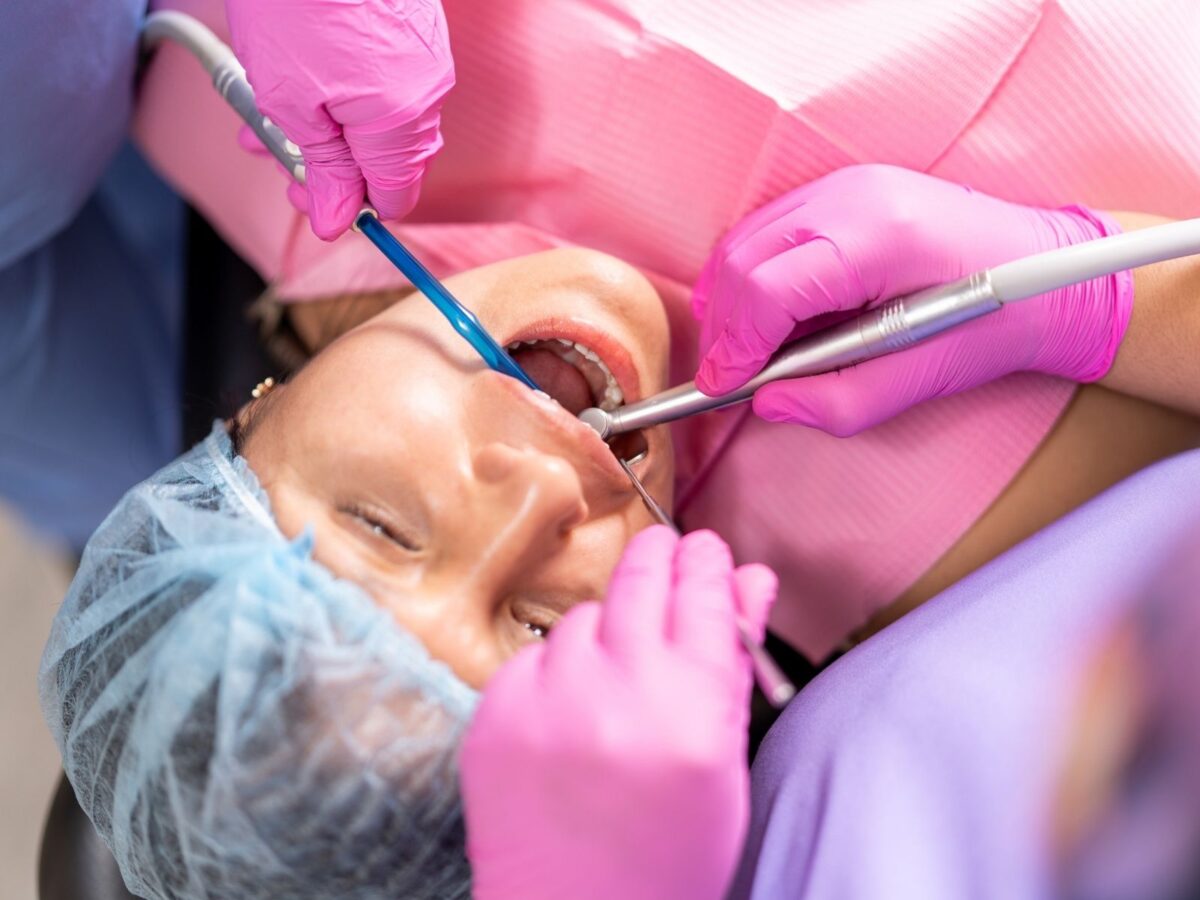
Can Professional Teeth Cleaning Damage Your Enamel? The Truth
Most people don’t really think twice about teeth cleaning. It’s routine. You sit down, and they work through your teeth. After some time, they just feel smoother and cleaner. There’s a light kind of feeling afterward. Not easy to explain, but you notice it. For most people, cleaning just means things are better. Still, a question comes up now and then.
Usually, after the appointment, sometimes during it. You feel that scraping sensation, or the polishing at the end, and you start wondering… is this removing something it shouldn’t? Could it be affecting the enamel?
That’s where the concern around does dental cleaning damage enamel starts to come from. Not because anything feels off. It’s just that you are confused about what’s being removed and what stays.
What’s Actually Done During a Cleaning
A professional cleaning isn’t about taking anything off your tooth itself. That’s where people get it mixed up. The tools are used to clear plaque and the hardened buildup, which dentists call tartar.
That stuff sits on top of the teeth and around the gum line. It doesn’t belong there, and once it hardens, brushing doesn’t do much. So the idea is simple. Clear what’s built up on the surface, and leave the enamel alone.
The ADA says that cleanings are focused on removing plaque and calculus that can lead to gum problems and decay. So technically, it’s a controlled process. But that doesn’t always line up with how it feels.
Why It Feels Like Something’s Happening to Enamel
The way it feels during a cleaning can throw you off a bit. When the scaling tool moves across the tooth, especially where tartar has built up, it can feel rough. Sometimes even a little sharp. That’s because something is coming off, and it can feel like it might be part of the tooth. But it isn’t. It’s just the buildup on top being cleared away.
After that layer is gone, the surface underneath feels different. Usually smoother. But sometimes a bit sensitive too, at least for a while. That part tends to worry people. It can feel like something has changed in the enamel. But nothing is really damaged. Those areas were just hidden before, and now they’re easier to notice.
Where the Confusion Usually Comes From
Part of the confusion comes from how enamel works. Enamel doesn’t grow back. So the idea of anything removing even a small amount of it feels concerning. And since cleaning involves scraping and polishing, it’s easy to assume that something permanent might be happening. But the tools are designed differently.
They’re calibrated to remove deposits, not enamel. It’s a controlled process, not something that’s done aggressively or blindly. That’s why you can’t just assume the answer to “Does professional teeth cleaning damage enamel?” It’s based on how the procedure is designed.
Can Cleaning Ever Be Too Much
This is where things aren’t so straightforward. Cleanings are safe in general, but technique still matters. If it’s too rough or done more often than needed, it can lead to slight wear over time. Still, that’s not how routine cleanings are usually handled.
They’re spaced out intentionally. Often, every six months, sometimes adjusted based on the person. That spacing gives enough time while still keeping buildup under control. It’s really about balance, not skipping cleanings.
What Causes Sensitivity After Cleaning
This is probably the biggest reason people question it. After a cleaning, teeth can feel more sensitive to cold air or water. It’s not extreme, but noticeable enough to make you pause. And it often feels like something has been “taken off.” In a way, something has. But not enamel.
The buildup that was covering parts of the tooth, especially near the gum line, is gone. That leaves areas slightly more exposed than before, at least temporarily. So the sensitivity isn’t actually the damage. It’s an adjustment.
What Research Suggests About Cleaning and Enamel
Professional cleaning has been used for years, and it’s not something that’s done without understanding it. There’s no strong evidence that routine cleanings harm enamel when they’re done the way they’re supposed to be. They’re actually considered part of preventive care, mainly to help reduce the chances of decay and gum disease.
Even the CDC talks about how regular cleanings help with overall oral health and keeping bigger issues from building up. So the idea isn’t really about risk. It’s more about avoiding problems before they even start.
Where Polishing Fits Into This
The polishing step at the end of a cleaning can raise questions too. It uses a slightly gritty paste to smooth the tooth surface. That word—abrasive—can sound concerning. But it’s very mild and controlled. It’s meant to remove surface stains, not alter the enamel structure.
Still, overuse could theoretically lead to minor wear. Which is why it’s not done excessively or without reason. So when thinking about “does teeth cleaning damage enamel”, polishing is part of the discussion, but not in the way most people assume.
Why Skipping Cleanings Isn’t the Better Option
This is where the concern can go in the wrong direction. Some people start avoiding cleanings altogether because they worry about enamel. But when you skip cleanings, that buildup sticks around. And slowly, it can lead to bigger issues.
Tartar doesn’t just disappear. It keeps building up, which can cause gum problems and decay. And those issues can affect the tooth structure far more than a controlled cleaning ever would. So avoiding cleanings doesn’t protect enamel. It usually does the opposite.
What Makes a Cleaning “Safe”
It mostly comes down to how it’s done. A trained hygienist isn’t just scraping randomly. They know how much pressure to use and where to focus so the buildup comes off without touching the tooth surface. The tools are made for that kind of precision. It’s not about force.
It’s not rushed either. It’s done step by step, in a steady way. That’s why routine cleanings are considered safe when done properly.
When To Ask Questions
If something doesn’t feel quite right, just say it next time you go in. Sometimes sensitivity stays. Cleaning can feel more uncomfortable than you expected at times. Even a small mention is fine. No need to explain it perfectly. It doesn’t really point to anything going wrong. It just helps them know how it felt on your side. And if needed, they can make small changes.
FAQs
Do dental cleanings actually damage enamel?
It can feel like it might, especially during the process. But what’s actually being removed is the buildup, not the enamel.
What about over time?
If it’s done as it normally is, it doesn’t cause damage. That’s how cleanings are designed.
If it’s done regularly, is that a problem?
Not really. Regular visits are considered safe. It only becomes a concern if it’s overly rough or too frequent.
Why do teeth feel sensitive after cleaning?
After the buildup is gone, those areas can feel slightly more exposed for some time.
Conclusion
People usually ask does dental cleaning damage enamel because of how it feels. It can feel a bit rough at times, maybe even slightly sensitive after, and that’s what throws people off. But that feeling isn’t the enamel getting damaged. It’s just the buildup being removed from the surface. The enamel itself stays as it is.
If that question comes up after a cleaning, or something doesn’t feel quite right, you can just ask about it next time. It’s a simple thing to bring up. And honestly, it clears things up much faster than trying to work it out on your own later.