Blog
Dental hygiene tips for healthy teeth & gums
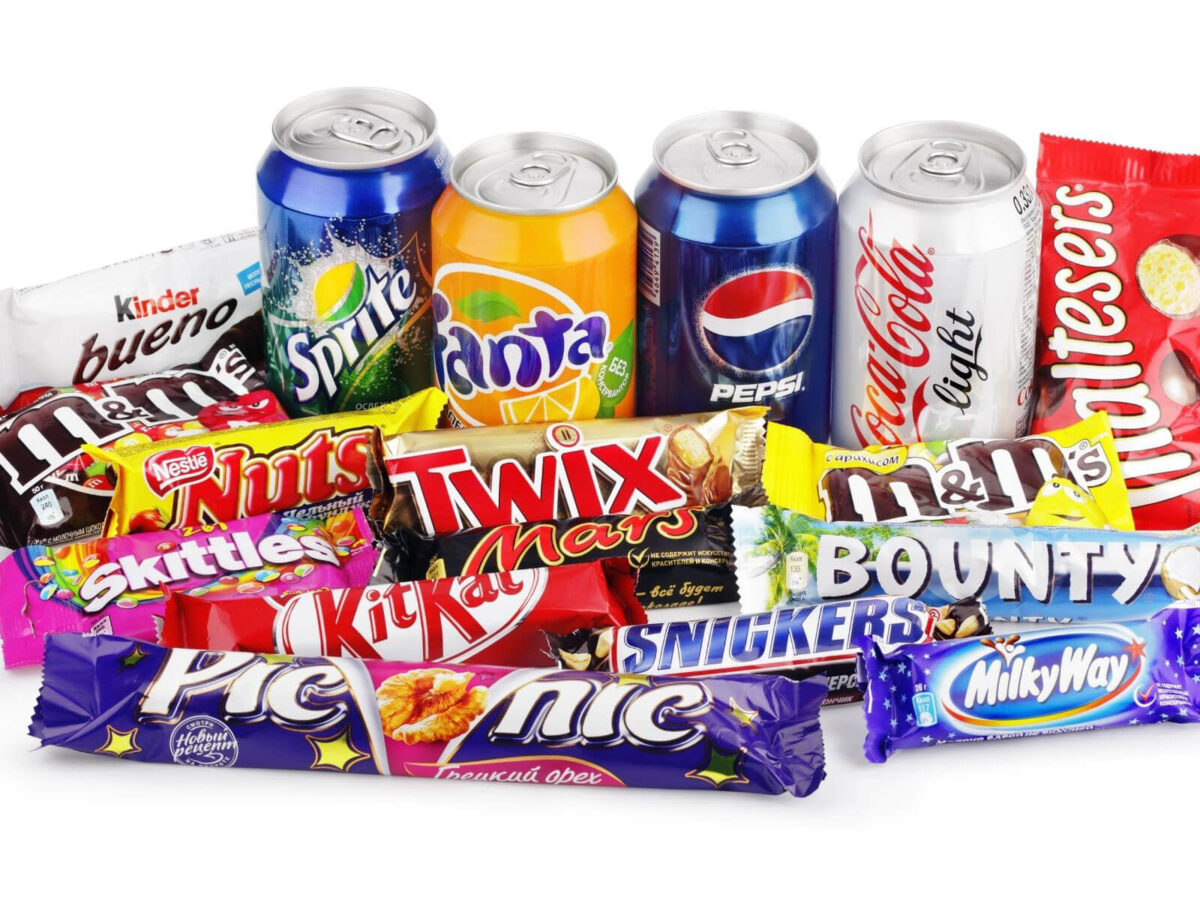
Top 9 Foods That Damage Your Teeth
Teeth look strong from the outside. They handle chewing every day and rarely complain until something finally feels off. But enamel reacts quietly to what touches it. Some foods soften it slowly. Others settle deep into tiny areas that brushing never reaches. That is why learning about the top 9 foods that damage your teeth helps make sense of changes that appear without warning. The teeth do not show every shift immediately. They hold those moments until the effects build up.
These foods are not harmful because of taste or texture alone. They influence the mouth in steady ways. Some cling to enamel. Some change the mouth’s acidity. Some dry the mouth and leave less protection behind. Understanding them helps make small choices before damage grows.
Sugary Treats That Linger Too Long
Sugar holds onto enamel without most people noticing. It slips into tiny grooves where brushing helps, but it can’t be fully cleaned. Bacteria use the sugar and form acids that weaken enamel bit by bit. You don’t feel this right away. Sensitivity shows up later. This is why sugary snacks fall into foods bad for your teeth. The trouble comes from how long the sugar stays after the taste is gone.
The mouth needs time to rest between sugary foods. When sweets show up often, enamel doesn’t get that time. Slowly, the softening becomes more visible.
Sticky Foods That Hide in Tight Spaces
Some foods cling more than others. They sink into the smallest places and stay there long after chewing ends. Candy that stretches, dried fruit with a chewy pull, and even certain cereals can hold on in ways brushing cannot easily undo. These items sit quietly between teeth, creating long periods where bacteria thrive.
It does not matter how healthy the food appears when it clings for too long. Even something naturally sweet can still stand among food that’s bad for your teeth when it refuses to leave the enamel. Removing these bits takes careful cleaning, and many people do not realise how much is left behind.
Acidic Drinks That Slip Past Enamel
Acids soften enamel even before sugar becomes a concern. Citrus drinks, flavoured waters, and sodas land on the enamel with a sharp effect that might not feel noticeable at first. Over time, the surface weakens. Once the enamel softens, everything else affects it more deeply.
Even drinks that seem harmless can still appear in the top 9 foods that damage your teeth because they change the mouth’s balance so easily. The enamel needs a neutral ground to remain strong. When acid shows up too often, the surface loses its firmness.
Snacks That Arrive Often Throughout the Day
Frequent snacking keeps the mouth in a constant cycle of acid production. Each time food arrives, the mouth works to break it down. The acidity rises for a short period, then settles again. When snacks appear throughout the day, this balance never fully returns. Even if the snack seems light, the repeated exposure becomes a quiet issue.
This habit places many common items into the group of foods bad for your teeth, not because they are inherently harmful, but because they interrupt the mouth’s natural recovery. Teeth need breaks as much as they need cleaning.
Hard Foods That Stress the Enamel
Some foods challenge enamel through force alone. Hard candies, ice, and tough nuts can press against the tooth in ways it isn’t ready for. One bite may be fine, but repeated pressure can open small cracks. Stains and sensitivity can slip in through those cracks later.
Because of this physical strain, they often appear in the top 9 foods that damage your teeth. Teeth do a lot, but they can still give in when the pressure keeps building.
Starchy Foods That Turn to Sugar Slowly
Starches change into sugar once they meet saliva. The transformation feels invisible because the texture does not remain sweet. Crackers, chips, and breads soften into a paste that settles along the teeth. Once there, bacteria treat it just like any other sugar. The paste holds tightly, creating long periods of exposure that weaken enamel.
This gradual shift places these foods among foods bad for your teeth, even if most people don’t see them that way. They don’t taste sweet, yet they behave like sweet foods once they stay on the teeth.
Drinks That Dry the Mouth
A dry mouth cannot protect the teeth well. Saliva plays a quiet but essential role in washing away acids and leftover food. Alcohol and certain strongly flavoured beverages reduce saliva flow. Without enough moisture, the teeth lose their natural shield. Acids stay longer. Particles stay trapped.
This dryness raises the impact of many items that might not normally cause problems. It is another reason a food that’s bad for your teeth does not need sugar or acid to create damage. Even the absence of moisture can change how the enamel responds.
Foods With Sudden Hot or Cold Shifts
Hot foods and cold foods can affect teeth in ways people don’t always notice. Enamel shifts with temperature. It expands, then contracts. When this happens too fast or too often, stress builds. Fine lines or small cracks may appear as the years pass.
While these foods are not harmful by nature, they still influence the mouth’s comfort. They appear on lists alongside the top 9 foods that damage your teeth because of how they push enamel repeatedly without enough time to settle.
Items That Leave Deep Pigments Behind
Some foods hold pigments that move deep into the enamel. Coffee and richly colored fruits are common examples. The stains form slowly and reach areas that brushing does not always touch. While staining alone does not damage the structure of the tooth, it often travels with acidic or sticky qualities that encourage weakening over time.
This combination places many of these items among the foods bad for your teeth, even though they are common in daily life. The issue grows more from frequency than from a single serving.
Why These Foods Matter Even When Teeth Feel Fine
Teeth rarely show trouble the moment it starts. Enamel softens slowly and remains silent at first. Gums swell gently without sharp signals. By the time sensitivity becomes noticeable, the process may have been building for months or even longer.
That is why lists like the top 9 foods that damage your teeth help people notice patterns earlier. Awareness shapes habits in small ways. Choosing water after a snack, giving the mouth a break between meals, or brushing gently at the end of the day can reduce the impact these foods create.
Ready to Support a Healthier Smile
A quick visit with a dental team can show which foods bother your teeth the most. Small shifts in routine and gentle habits help the enamel stay steady. Learning how these items influence oral health makes decisions easier and, as part of everyday choices, keeps your smile brighter throughout your life.