Blog
Dental hygiene tips for healthy teeth & gums
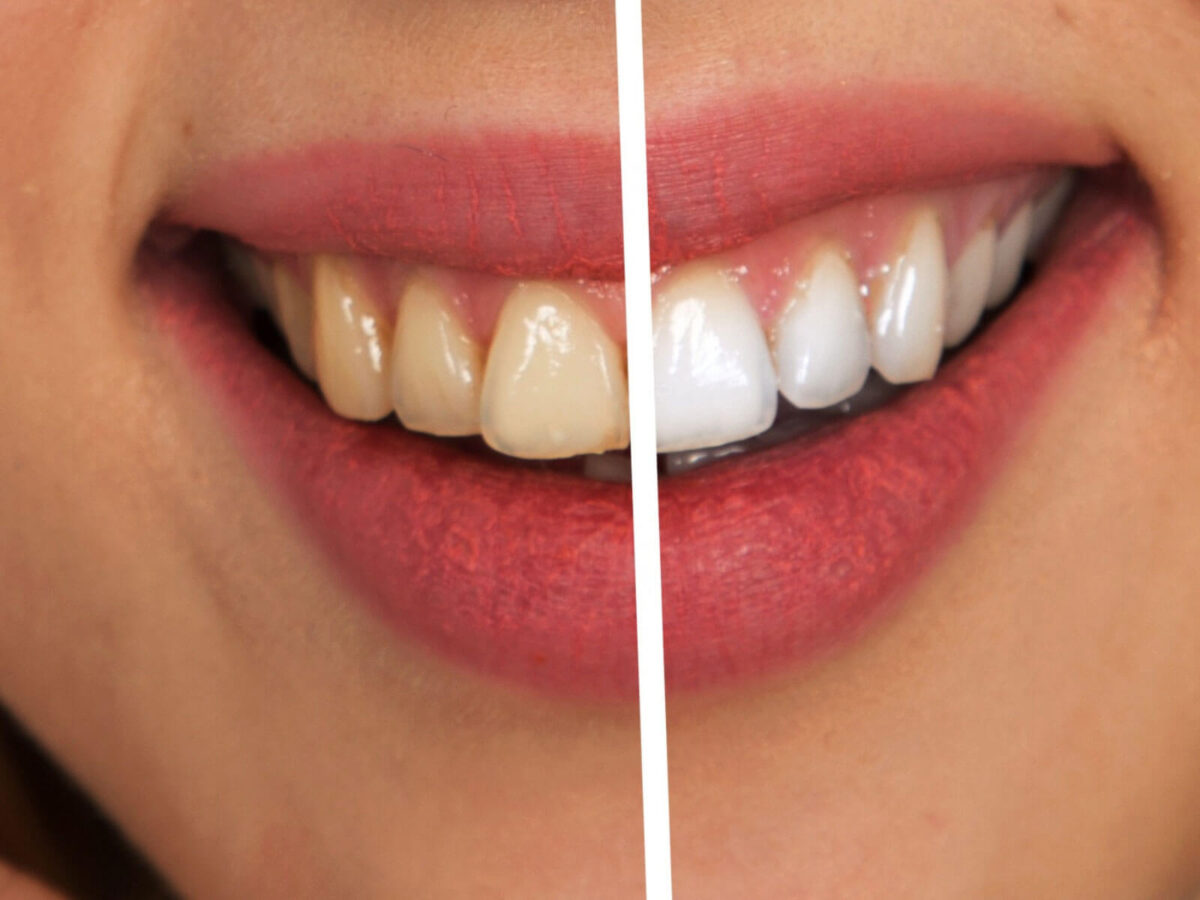
Top 5 Causes Of Yellow Teeth And How To Avoid Them
A lot of people first notice it in the most random way. Maybe it’s a picture someone else took. It could simply be strong lighting that changes how everything looks. Nothing is actually wrong, but your teeth do not seem as bright as they once did. And then you start wondering whether they’ve always looked like that or if something slowly changed.
The thing is, yellow teeth really aren’t unusual. The yellow colour of teeth can shift over time without you doing anything “wrong.”Teeth were never meant to look perfectly white. Over time, the outer layer just changes a bit, and the shade underneath becomes more noticeable. When you look into the causes of yellow teeth, it is usually not one big reason. Coffee, smoking, and certain medications. Small habits that slowly affect colour without you realising it.
Understanding how teeth discolouration builds up over time makes it feel less dramatic. It does not usually come down to one thing you did wrong. It develops gradually. And that slow pace is what makes it easy to miss at first.
1. Dark Drinks
Let’s start with the obvious. Coffee and tea are among the biggest contributors to yellow teeth worldwide.
According to the American Dental Association, beverages like coffee, tea, red wine, and soda contain chromogens highly pigmented molecules that attach to enamel and cause staining over time.
Enamel isn’t a smooth sheet of glass. It’s slightly porous. Those tiny pores can hold onto colour, especially if you are having dark drinks every day. After a while, that buildup starts to show, and it can turn into visible teeth discoloration.
Research published in 2014 in the Journal of Conservative Dentistry found that drink-related surface stains rank high among the cosmetic issues adults mention most. [Source]
Realistically, coffee is not something people just cut out. It is routine, sometimes comfort. Instead of quitting, small shifts feel more doable. Not letting it sit on your teeth for long stretches, having some water afterwards, and keeping brushing consistently. Nothing extreme. Just small habits that add up over time.
2. Plaque and Tartar
Not all yellow teeth causes come down to what you are drinking. Sometimes it has more to do with what is left sitting on the surface. When plaque is not cleared away properly, it does not just disappear. It slowly builds up and slowly hardens into tartar. Once that happens, it often takes on a yellow or slightly brown shade, and brushing at home will not remove it.
Gum disease and staining are not the same thing, but plaque and tartar still play a part in the yellow colour of teeth. If buildup stays in place, it starts to alter the way teeth appear. At that point, brushing harder does not fix it. In many cases, what people think is permanent discolouration is simply surface accumulation that needs proper cleaning.
3. Smoking and Tobacco Use
Tobacco is one of the main reasons some people develop severe yellow teeth. It does not always look dramatic at first, but the staining builds up. Nicotine may not have colour in the beginning, yet once it is exposed to air, that changes. Mixed with tar, it leaves marks that are tough to remove and tend to sink in over time.
Research consistently shows smokers are significantly more likely to experience visible teeth discolouration compared to non-smokers. The staining isn’t just surface-level. It usually embeds into enamel and dentin, making it harder to reverse. Among all preventable yellow teeth causes, tobacco is one of the most aggressive.
4. Natural Ageing and Enamel Thinning
Here’s something people don’t always realise. The yellow colour of teeth often increases naturally with age.
Every tooth has a tough outer surface called enamel. It is what absorbs the force when you chew and protects the softer layer inside. But it keeps changing slowly with time. Just under it is dentin, which has a deeper yellow tone by nature. When enamel becomes thinner, that inner colour becomes more noticeable.
A review published in the Journal of Dentistry explains that age-related enamel wear significantly influences perceived tooth colour. [Source]
Surface stains are one thing, but this type of teeth discolouration works differently. It happens because enamel slowly wears down as the years go by. That part is hard to avoid. Still, brushing too hard or constantly having acidic drinks can make it wear away faster than it needs to.
5. Medications and Developmental Factors
Certain antibiotics, particularly tetracycline, are known to cause intrinsic discolouration when taken during tooth development.
Unlike surface staining, intrinsic discolouration occurs within the tooth structure itself. That’s why over-the-counter whitening may not fully address it.
Understanding which yellow teeth causes are external and which are internal matters before choosing treatment.
How to Reduce Teeth Discolouration
People mix up white teeth with healthy teeth all the time. They are not exactly the same thing. Most of what we call “preventing yellowing” is really just regular upkeep. Enamel changes as we get older. That part happens anyway. The only real control you have is not speeding it up.
The American Dental Association recommends brushing twice a day. They also recommend flossing daily. It is not complicated advice. [Source] The idea is simply to prevent plaque from sitting there long enough to harden. When it does harden, it takes more than brushing to deal with it, which is where professional cleanings come in.
Habits outside of brushing matter too. Smoking and heavily pigmented drinks tend to leave a mark, particularly without rinsing. That steady exposure can cause teeth discolouration. Small daily changes matter more than extreme whitening. Professional treatments are another option if stains are noticeable.
FAQ
Are yellow teeth always poor hygiene?
Not automatically. Teeth can look yellow for reasons that have nothing to do with neglect. Ageing and enamel thinning play a part too.
Can you reverse discolouration completely?
It really depends on what caused it. Surface stains are usually easier to treat. Deeper discolouration takes more than toothpaste.
Do whitening toothpastes fix the problem?
They help with light staining. They cannot change the tooth’s original colour.
Why isn’t brushing helping?
Brushing keeps them clean. It doesn’t stop enamel from wearing down slowly over time.
Is a yellow tone unhealthy?
No. Slightly yellow teeth can still be perfectly healthy. Pure white isn’t the medical standard — it’s just a cosmetic preference.
Conclusion
For many people, noticing yellow teeth feels sudden, even though the process was slow. Changes in colour usually happen little by little. Surface stains, enamel changes, deeper factors — they all affect appearance differently.
The yellow colour of teeth is often shaped by everyday patterns. Drinks, smoking, ageing, genetics. Once you identify your own yellow teeth causes, it becomes less overwhelming and more about small adjustments.
When something about the color feels unusual, guessing rarely helps. Having it looked at can save a lot of second-guessing. And honestly, healthy teeth are not about reaching a perfect white. They are more about keeping things stable over time.