Blog
Dental hygiene tips for healthy teeth & gums
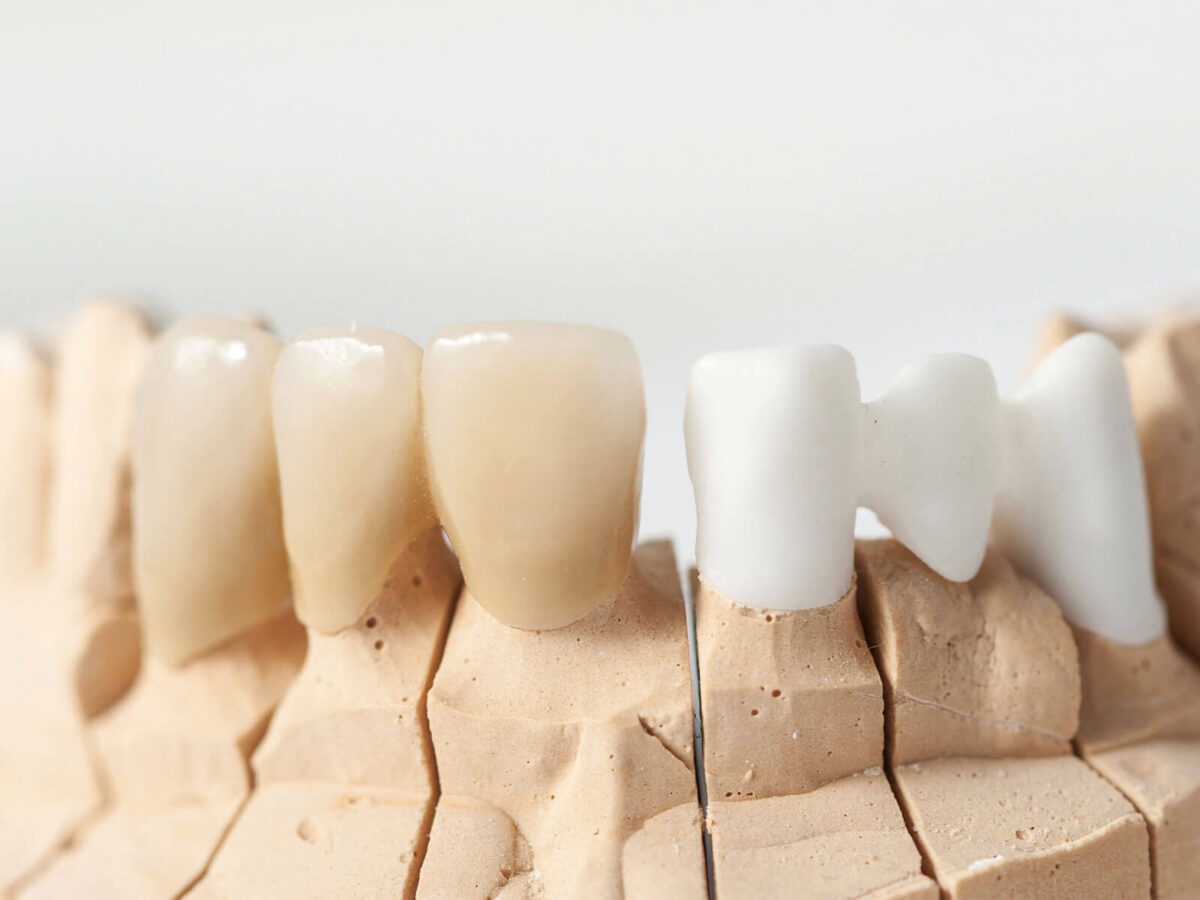
6 Common Dental Bridge Problems & How to Fix Them
Dental bridges usually work well for most people. After the adjustment phase, many stop thinking about them much at all.
Eating feels easier again. Smiling feels more natural too. The gap is filled, and life just continues. Still, a bridge doesn’t escape wear over time the way some expect it might. It sits in the mouth every day and faces chewing pressure, temperature shifts, food passing around it, and regular brushing. Natural teeth often deal with these things a little more easily.
Because of that, dental bridge problems usually show up slowly. Bridges almost never fail suddenly. More often, they give small signals first. A bit of soreness that comes and goes. Food is getting stuck where it didn’t before. A bite may feel slightly different, but not enough to raise concern. These signs often get ignored until they start repeating.
Understanding the common problems with dental bridges helps you catch problems sooner. Early fixes are usually easier and less stressful.
Why Dental Bridges Can Start Causing Issues
A dental bridge depends on the teeth around it. The nearby teeth are shaped and crowned to support the artificial tooth in the middle. It works, but bridges depend on clean habits, strong gums, and an even bite.
Over time, gums change. Bone levels shift slightly. Teeth experience wear. Even normal chewing patterns evolve. All of these factors can contribute to dental bridge problems, especially years after placement. None of this means the bridge was done poorly. It simply means the mouth is not a static environment.
Problem One: Food Getting Stuck Under The Bridge
This is one of the usual complaints. Food stuck under the artificial tooth can start annoying, then turn uncomfortable, and later irritating.
The reason is simple. A bridge does not replace a tooth root. There is space underneath where food can slip in. When cleaning under the bridge is inconsistent, bacteria thrive.
Out of the common problems with dental bridges, this tends to show up early. It’s usually the first small sign that something should be looked at, even when everything else still feels normal. The solution often begins with better tools like floss threaders and interdental brushes. Regular flossing by itself usually isn’t enough.
If food trapping continues even with good hygiene, the fit of the bridge may no longer be ideal. Gum recession can slowly increase spacing, making trapping more common as time goes on.
Problem Two: Gum Soreness Or Bleeding Around The Bridge
Tender gums around a bridge often signal plaque buildup at the margins or beneath the artificial tooth. Because cleaning under bridges is harder, inflammation can develop even in people who brush well.
This is one of those dental bridge problems that people ignore because it does not hurt much at first. A little bleeding here. Mild soreness there. Inflammation that is ignored can build up into gum disease. As that happens, the teeth holding the bridge can start to weaken little by little.
Fixing this usually means starting with a professional cleaning. It also means paying more attention to home care afterwards. Sometimes that is enough. In more advanced situations, the bridge may need to come off temporarily so the gums underneath have time to heal properly.
Problem Three: Decay On The Supporting Teeth
The teeth anchoring a bridge do a lot of work. They support chewing forces and hold the restoration in place. Because they are crowned, decay can develop underneath without obvious warning signs.
This is one of the more serious problems with dental bridges, mainly because pain does not always show up early. Decay can spread beneath the crown before it is noticed on an X-ray or exam.
How it is treated usually comes down to how much damage has already been done. Sometimes replacing the crown is enough. In other cases, root canal treatment becomes necessary. Severe damage may mean the entire bridge needs to be redesigned.
This is why regular checkups matter more for people with bridges than they often realise.
Problem Four: A Loose Or Shifting Bridge
A bridge that feels loose should never be ignored. Even slight movement can allow bacteria to enter beneath the crowns.
Cement does not stay as strong forever. Over time, it can weaken, especially when grinding or uneven bite pressure is part of the picture. Among dental bridge problems, loosening is often one of the easier ones to deal with if it is noticed early.
In some situations, recementing the bridge takes care of it. In others, dentists need to look at bite alignment or see if the supporting teeth have changed. Ignoring looseness usually leads to more complicated problems later on.
Problem Five: Chips Or Cracks In The Bridge
Over time, a bridge takes constant pressure from normal mouth use. Chewing alone adds pressure. Grinding adds more. Temperature changes from food and drinks add their own stress. Over time, materials can start to weaken under all of that.
Small porcelain chips may only affect how the bridge looks. Larger cracks can affect how strong it is. This is one of the common problems with dental bridges that does not look the same in every case.
Small damage can sometimes be fixed or lightly smoothed. Larger fractures usually point toward replacement instead. Waiting increases the risk of a sudden break, often during meals, over time. Grinding adds constant pressure to the bridge, which explains why night guards often help people who grind their teeth.
Problem Six: Bite Changes Or Jaw Discomfort
Sometimes a bridge itself is intact, but the bite no longer feels right. Chewing may feel uneven. Jaw soreness may develop. Clicking or fatigue can appear.
These symptoms often point to alignment-related dental bridge problems rather than structural damage. Teeth move slightly over time. Bridges do not.
Fixing this usually involves bite adjustment. In some situations, replacing the bridge brings back comfort and balance. Ignoring bite problems can result in cracks or jaw strain.
Why These Problems Rarely Appear Suddenly
Most common problems with dental bridges develop slowly. That is why they are easy to dismiss. A little discomfort feels manageable. Food trapping seems minor. Bleeding gums do not feel urgent.
Unfortunately, waiting until pain appears limits treatment options. Early fixes are simpler. Late fixes are not.
How Long Dental Bridges Typically Last
With good care, dental bridges make it up to fifteen years, and some last longer than expected. Some last much longer. Others need attention sooner due to hygiene challenges, grinding, or bite issues.
As bridges age, dental bridge problems become more likely. That does not mean failure is inevitable. It means monitoring becomes more important.
When Repair Is No Longer Enough
Not every problem can be handled with small adjustments. When decay is deep or loosening keeps returning, replacing the bridge is often safer. It allows the dentist to treat the root cause rather than repeating short-term repairs.
How Dentists Decide The Best Fix
Dentists evaluate everything together. Bridge fit, supporting teeth, gum health, and bite forces. Cases vary. The solution usually follows those differences.
That is how dental bridge problems and how to fix them are determined. Treatment is individualised, not generic.
Final Thoughts
Dental bridges are built to last for years, yet they still need attention as time goes by. Minor issues can add up quietly, and dental bridge problems usually become serious when left alone. Understanding the common problems with dental bridges encourages people to respond earlier, instead of waiting until pain is the only clue.
Looseness, discomfort, food trapping, or gum irritation around a bridge often show up before larger issues do. Having things looked at early makes it easier to identify dental bridge problems while the fixes are still straightforward and easier to plan.