Blog
Dental hygiene tips for healthy teeth & gums
Tooth Decay in Preschoolers: Causes, Prevention, and Treatment
A parent brings a three-year-old in for a routine checkup and leaves with a referral for four fillings. It happens more than people assume, and it’s rarely a brushing problem alone.
Tooth decay in preschoolers works on a different clock than it does in adults. A cavity that would take years to form in a grown tooth can spread through a toddler’s molars in a matter of months, and the everyday habits fueling it, a sippy cup left out all afternoon, a bottle at naptime, rarely register as risky until a dentist points them out.
What Is Tooth Decay in Preschoolers, Exactly
Bacteria, sugar, and time drive it, the same basic mechanism at three years old as at thirty. What changes in young kids is speed, and how many teeth tend to go down together instead of one at a time.
Clinically, it’s called early childhood caries. Mayo Clinic Health System calls dental caries an infectious disease outright, caused by bacteria transferred from a caregiver’s mouth into a child’s mouth, not something sugar conjures up on its own.
Parents hear “infectious” and picture something contagious like a cold, which isn’t quite right. But the bacteria behind tooth decay in preschoolers really do pass from person to person, usually parent to child, well before a single cavity shows up.
“Where Cavities in Preschoolers Actually Start
A pediatric dentist once told a room of parents that the bacteria behind most cavities usually trace back to them, not sugar. A shared spoon during dinner. A pacifier rinsed in someone’s own mouth before going back to the baby. Kissing a pacifier clean after it hits the floor. MouthHealthy backs this up directly – those small habits pass cavity-causing bacteria from an adult’s mouth into a baby’s before a single tooth has even come in.
Once that bacteria is established, sugar does the damage. A bottle of milk left with a sleeping toddler pools against the teeth for hours, undisturbed, since saliva production drops off during sleep and there’s nothing to wash it away. Sippy cups create a milder version of the same thing across the day, just spread out instead of concentrated overnight.
Fluoride is the piece most parents underestimate. Skipping it, whether that’s fluoridated water, toothpaste, or a dentist’s application, takes away one of the only things standing between exposed enamel and tooth decay in preschoolers.
How Common Is Tooth Decay in Preschoolers
More common than most parents walk in expecting. A CDC-published study on pediatric dental practices puts a hard number on it: close to 1 in 4 kids ages 2 to 5 have already had cavities in their baby teeth, and a full 10 percent of those kids have decay that’s never been treated.
Ten percent untreated is the number worth sitting with. A caught-early cavity is a quick appointment. Left alone in a mouth still developing, that same small spot can turn into pain, infection, or eventually an extraction.
Healthline’s rundown on treatment options adds a second data point that stretches the picture forward a few years: over half of kids ages 6 to 8 have had a cavity by that point. Whatever starts with tooth decay in preschoolers rarely stays contained to a tooth or two.
What Are the Early Warning Signs Parents Miss
White spots along the gumline on the upper front teeth are usually the earliest visible marker, and they’re easy to walk right past since there’s no pain attached and nothing that looks dramatic in a full smile.
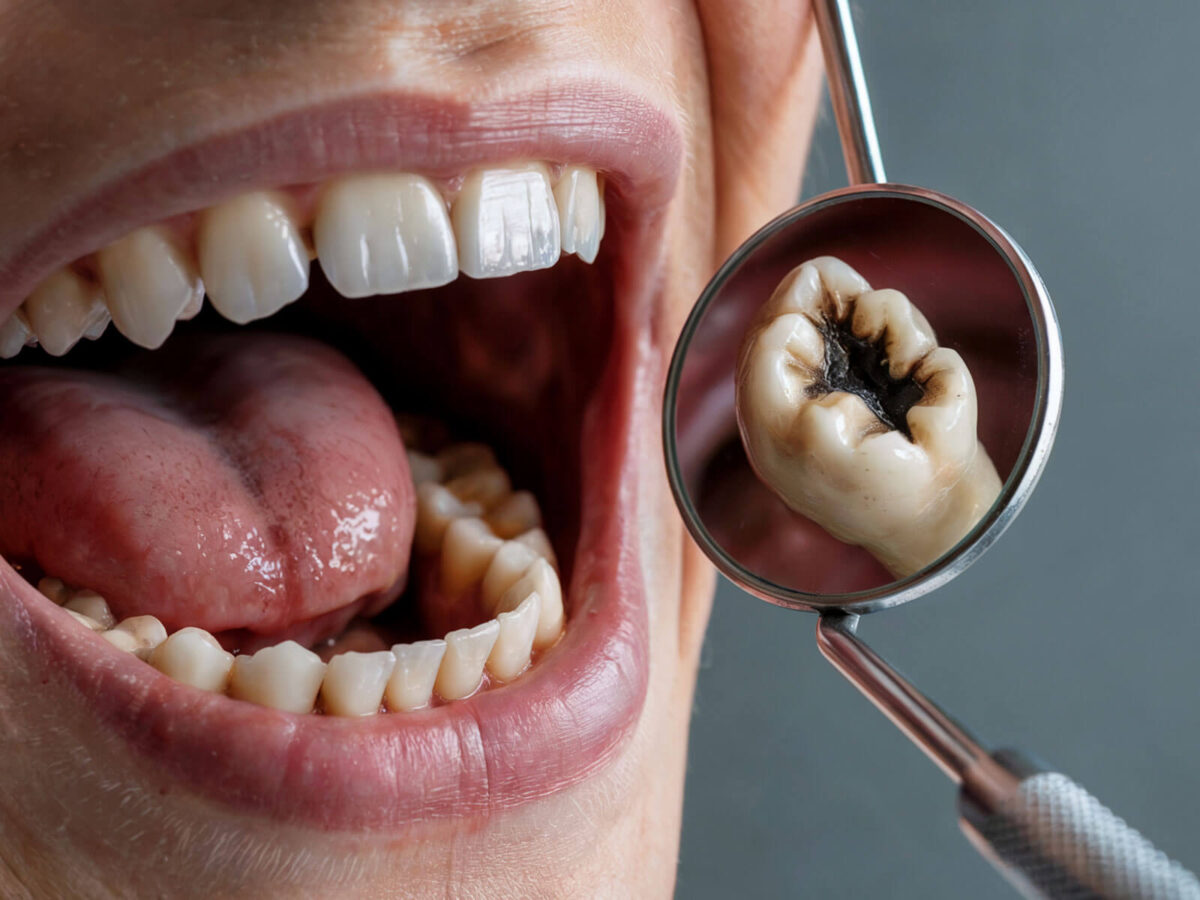
Given time, the color shifts. White edges toward brown, and eventually a hole opens up once enough enamel has broken down underneath. Most parents don’t clock the problem until this stage, meaning the decay’s typically been active for a while by the time anyone notices.
A kid chewing only on one side, wincing suddenly at cold food, or having breath that doesn’t clear up no matter how thoroughly teeth get brushed are all worth getting checked without waiting for a scheduled cleaning, since tooth decay in preschoolers can move faster than the next routine visit allows.
How Cavities Get Prevented Early
Fluoride carries a lot of the weight. A government oral health resource pulling from CDC data puts a number on exactly how much: fluoride varnish alone can prevent roughly a third of cavities in baby teeth, applied every three to six months starting the moment the first tooth breaks through.
Brushing starts earlier than most people assume, before there’s even anything to brush. A damp cloth wipes the gums first. A soft, small brush takes over once teeth arrive, with a smear of fluoride toothpaste before age three and a pea-sized amount after.
Bottles need their own rule. Water at bedtime instead of milk or juice shuts down one of the biggest overnight risks, and pulling a sippy cup off constant duty, saving it for meals instead of all-day grazing, helps for the same reason.
A mouth exposed to sugar constantly stays in acid-attack mode most of the day. One sugary dessert at dinner does less harm than that same amount sipped slowly across an afternoon.
What Does Early Childhood Cavities Treatment Actually Look Like
It depends almost entirely on timing. Catch a lesion while it’s still just a white spot, and fluoride treatment alone can sometimes reverse it, with no drill involved anywhere in that scenario.
Once it’s crossed into an actual cavity, the toolbox has expanded well past the drill-and-fill most parents remember from their own childhood. Silver diamine fluoride has become a go-to for young or anxious kids specifically. HealthyChildren.org describes it plainly – a liquid brushed onto the decayed spot, nothing more, no needle, no drill, no sedation for most kids.
It’s worth being upfront that this isn’t a permanent solution on its own. The treated area usually turns black, and a restoration often follows eventually anyway. What silver diamine fluoride buys is time, plus a way to stop active decay in a kid who can’t sit through a full filling appointment yet.
For anything more advanced, standard fillings, stainless steel crowns, or extraction in severe cases round out the list, with the choice usually coming down to how much healthy tooth structure remains and how well a particular kid can tolerate the visit itself, which is the core decision behind early childhood cavities treatment at every stage.
When a Baby Tooth Cavity Gets Left Alone
Baby teeth get dismissed as placeholders a lot, since they’re coming out eventually regardless. Decay left alone doesn’t respect that timeline. It can reach the nerve, and from there, real pain, sometimes a facial infection serious enough to need urgent care.
There’s a structural piece too, easy to overlook. A baby tooth holds the exact spot the permanent tooth underneath needs, and losing it too early, from decay or the extraction that follows, gives neighboring teeth room to drift into space that was never theirs to take.
When’s the Right Time for a First Visit
Sooner than most parents guess, usually by the first birthday or within six months of that first tooth breaking through, whichever lands first. That’s long before most kids have had a cavity, which is the entire point of going that early.
Not much treatment happens at that first visit, realistically. It’s mostly a chance to flag risk, bottle habits, gaps in brushing, and low fluoride, while there’s still time to fix any of it before it turns into something on an X-ray affecting tooth decay in preschoolers later on.
FAQ
Is tooth decay in preschoolers common enough to actually worry about?
More than most parents assume. Roughly one in four kids ages 2 to 5 has already had a cavity, and a real share of those go untreated for a while before anyone catches it.
Can a spot on a tooth heal without a filling? Or is that wishful thinking?
Not always wishful. A white-spot lesion, caught before it turns into a real cavity, can sometimes respond to fluoride treatment alone.
It’s just a baby tooth. Does losing one early actually matter?
It does, more than the “it’s coming out anyway” logic suggests. Baby teeth reserve room for the permanent teeth waiting underneath. Take one out too early, and the teeth on either side start creeping into that gap.
My toddler won’t sit through a filling. What’s actually an option?
Silver diamine fluoride tends to be the go-to here. It’s a liquid brushed straight onto the decayed spot, no needle, no drill, though it’s usually a bridge to further treatment rather than a permanent fix.
Conclusion
Most cases of tooth decay in preschoolers trace back to something that never looked risky at the time. A bottle left in the crib a little too long. A spoon shared without a second thought. By the time a parent notices anything, a dentist is usually the one pointing it out on an X-ray.
Fluoride helps. So does an earlier first visit than most parents expect, and a few small changes to how bottles get used. None of it takes much effort, but it changes where things end up.
If a white spot shows up, or a kid starts favoring one side of their mouth, that’s worth a call before the next scheduled cleaning. A small spot caught early stays small. Left alone, it doesn’t.