Blog
Dental hygiene tips for healthy teeth & gums
Oral Cancer Screening Benefits for Patients of All Ages
Someone I know got her oral cancer diagnosis at a routine cleaning she’d almost cancelled. Nothing had felt off. She wasn’t there for any particular concern. Her dentist just noticed something and asked if it had always been there. It hadn’t. She had no idea going in that the appointment would matter the way it did. That’s usually how oral cancer screening goes.
What Is Oral Cancer Screening? What Does It Actually Involve?
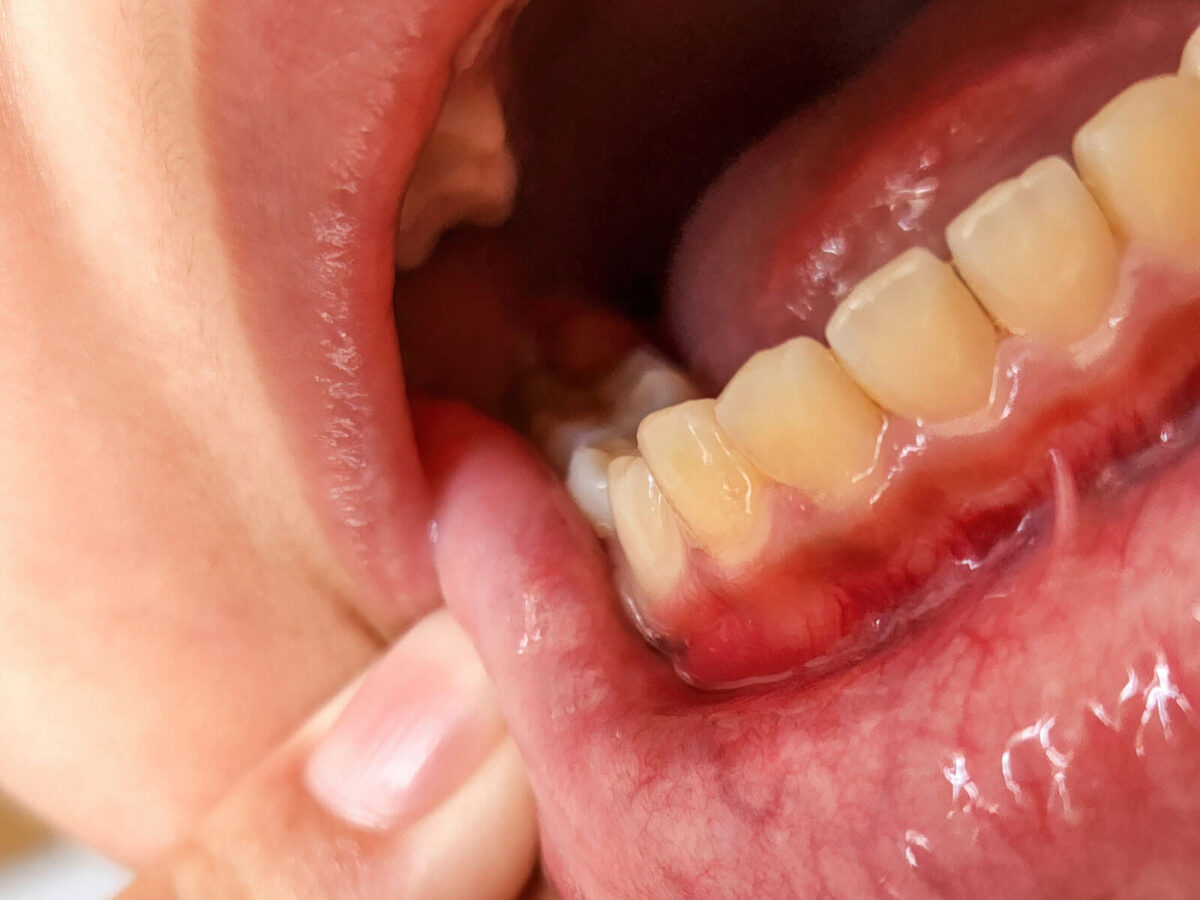
I didn’t know my dentist was doing this until someone pointed it out. It’s just part of how a routine exam goes. They move through the mouth, check the throat, look at the gums and tongue, and the floor of the mouth, and press along the lymph nodes in the neck. Most patients have no idea that’s what’s happening.
I’ve spoken to people who were surprised to learn their dentist had been doing this at every visit for years. According to the ADA’s guidance on oral health screenings, visual and physical exams of the mouth are recommended as part of routine dental visits across all risk levels. Most people are already getting screened. They just don’t know it.
Why Does Early Detection Through Oral Cancer Screening Matter So Much
The numbers here are worth actually looking at. A review published in the Journal of Oncological Sciences puts the five-year survival rate above 80 percent for localized cases. Once the cancer has spread to distant sites, that drops to around 38 percent. The stage at diagnosis is doing most of the work in determining the outcome.
Most people who get an early-stage oral cancer diagnosis weren’t looking for one. Nothing hurt. Nothing looked alarming enough to book an appointment over. PMC research on oral cancer screening notes that early-stage cancers frequently mimic benign conditions.
I’ve spoken to people who had something in their mouth for months and assumed it was nothing. Sometimes it was. Sometimes it wasn’t.
Who Is Actually at Risk and Why Does It Go Beyond the Obvious
Tobacco and alcohol are the most cited risk factors, and the connection is real. That used to be most of the story. HPV, specifically HPV-16, has changed it. It’s now driving oropharyngeal cancers in people who don’t smoke and never drink heavily. I’ve spoken to people who assumed oral cancer screening wasn’t relevant to them because they didn’t fit the traditional risk profile. That profile has quietly stopped being a reliable filter.
PMC research published on oral cancer trends notes an increasing trend of oral cancer affecting younger men and women, a shift from the older demographic that historically dominated the diagnosis. Age over 45, prolonged sun exposure to the lips, prior oral cancer history, and diet are all recognized factors. HPV has quietly added a population to that list that didn’t used to be on it.
Some of the people I’ve spoken to about this had no obvious reason to expect a diagnosis. That’s stayed with me.
What Are the Specific Benefits of Oral Cancer Screening Beyond
Catching Cancer
Earlier, less aggressive treatment
Stage one and two cancers get treated very differently from stage three and four. Early stage often means surgery or radiation alone. The later stage frequently pulls in both, sometimes alongside chemotherapy, with longer recovery times and real effects on speech and swallowing. I’ve spoken to people who went through both ends of that spectrum. Early-stage treatment and late-stage treatment are not comparable experiences. The recovery alone is a different thing entirely.
Detection of precancerous lesions
Some of what gets flagged at a screening isn’t cancer yet. Leukoplakia and erythroplakia sit in that category. White or red patches on the mouth lining that can turn malignant, but don’t always. According to the ADA’s updated 2026 guidance, catching these early is one of the most significant factors in survival outcomes. Most people only get that chance because they showed up to a cleaning.
Peace of mind for patients with higher risk
People with a tobacco history, a prior cancer diagnosis, or a known HPV infection tend to think about their dental appointments differently. Regular oral cancer screening means changes get caught rather than noticed too late. There’s real value in that, even when nothing shows up.
Building a reference point
Years of seeing the same patient’s mouth mean a dentist knows what belongs there. Something new gets flagged because there’s a reference point. I’ve spoken to people who only appreciated that after their dentist caught something their previous one had never seen before.
How Often Do You Actually Need an Oral Cancer Screening
Most adults don’t need a separate appointment for this. The National Institute of Dental and Craniofacial Research states that dental visits are an appropriate time for oral cancer screening and that most people should receive one based on their normal checkup schedule. It’s already folded into what happens at a routine visit.
People with a tobacco history, a prior oral cancer diagnosis, or an existing lesion being monitored may get referred for more frequent checkups or a specialist. For everyone else, the regular cleaning appointment is where this already happens.
What Happens If Something Is Found
Most findings at an oral cancer screening don’t turn out to be cancer. A dentist who spots something unusual might photograph and monitor it over a follow-up period to see whether it resolves. Some lesions, particularly those that don’t clear up within two to three weeks, get referred for a biopsy. The ADA notes that biopsy remains the gold standard for diagnosing oral cancer.
A biopsy referral isn’t a cancer diagnosis. I’ve spoken to people who spiraled after getting one, then came back clear. The process exists to rule things out, and most of the time that’s exactly what it does.
FAQ
Does oral cancer screening hurt?
No. I’ve had it done without realizing that’s what was happening. The dentist just moves through the mouth, checks the throat, and feels along the neck. It’s part of the exam, not something separate from it.
So can a dentist actually tell you if it’s cancer?
Not on the spot. If something looks off, they’ll flag it and refer for a biopsy. I’ve spoken to people who assumed the dentist could tell them right then and there. It doesn’t work that way. A tissue sample goes to a specialist, and that’s where the answer actually comes from.
Should young people bother with oral cancer screening?
Yes. I’ve come across cases in people in their late twenties and early thirties with no obvious risk factors. HPV has shifted who it affects. Waiting until you’re older to pay attention to this is a gamble that’s gotten less reasonable over time.
What should I actually be looking for in my mouth?
Usually something easy to dismiss. A sore that’s been there longer than it should be. A patch of tissue that looks slightly different. A spot that feels a little thicker than the area around it. Nothing most people would flag on their own, which is the whole problem.
Conclusion
Oral cancer screening is already happening for most people who attend regular dental appointments. Most people don’t even realize it’s part of the visit. There’s no separate appointment, no special equipment.
The benefits of oral cancer screening show up most clearly in the survival data. Caught early, the odds are good. Caught late, they aren’t. I’ve read enough about this to think the dental appointment most people put off is doing more work than they realize. Book it and show up.